
Some iconic pinball machines have appreciated by an average of 15% annually over the past five years. Whether you’re buying your first machine or planning to sell, understanding what drives premium pinball value lets you make confident decisions. This guide reveals the key factors collectors must assess, from rarity and condition to brand reputation and market trends, so you can accurately price machines for resale or investment.
Table of Contents
- Introduction To Pinball Machine Value
- Key Factors Affecting Pinball Machine Value
- Common Misconceptions About Pinball Machine Value
- Comparing Brands, Models, And Editions
- Utilizing Market Data And Pricing Benchmarks
- Practical Tips For Valuing Your Pinball Machine
- Conclusion: Enhancing Collection Value Through Informed Decisions
- Explore Premium Pinball Machines For Sale
- Frequently Asked Questions
Key takeaways
| Point | Details |
|---|---|
| Rarity drives demand | Limited production runs and special editions command significant premiums in the collector market. |
| Condition impacts price | Original, unrestored machines in near-mint condition typically sell for 25-40% more than restored counterparts. |
| Brand reputation matters | Bally and Stern machines retain about 30% higher resale value compared to lesser-known manufacturers. |
| Market data guides pricing | Recent auction results and sales data provide accurate benchmarks for setting realistic price expectations. |
| Sales channels vary returns | Direct collector sales often yield higher returns than dealer consignments, but require more effort. |
Introduction to pinball machine value
Premium pinball machines represent the top tier of arcade collecting, distinguished by superior build quality, iconic branding, and advanced gameplay features. Manufacturers like Bally, Stern, and Williams define this category with models that blend mechanical precision, licensed themes, and innovative technology. These machines appeal to serious collectors who prioritize authenticity, playability, and long-term value retention.
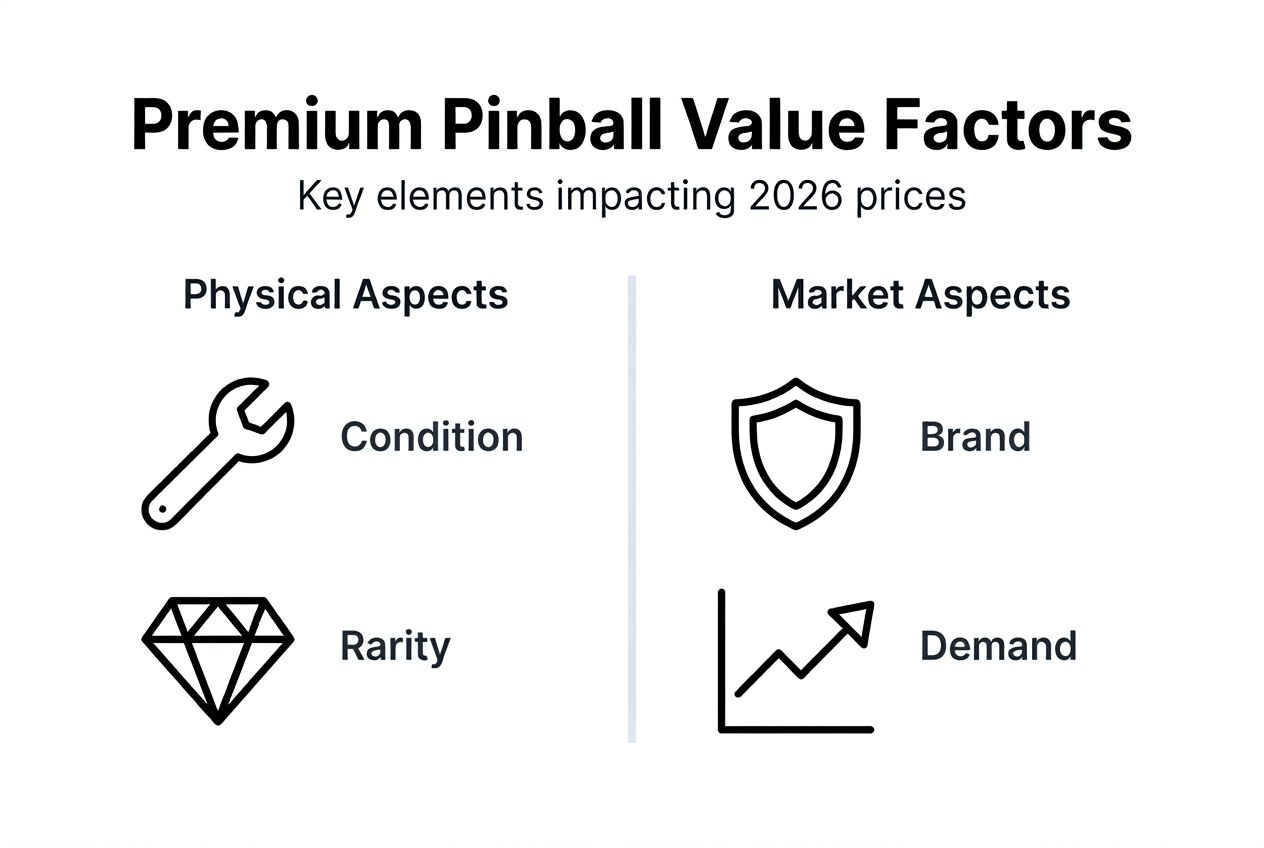
Three foundational pillars determine any machine’s worth: rarity, condition, and market demand. Rarity depends on production numbers, with limited runs and special editions commanding higher prices. Condition grading impacts resale price by 25-40%, making accurate assessment critical. Market demand fluctuates based on pop culture trends, licensed themes, and collector preferences at any given time.
Condition grading follows established scales ranging from Poor to Near-Mint:
- Poor: Significant playfield wear, missing parts, non-functional electronics
- Fair: Moderate wear, some missing components, partially functional
- Good: Light wear, complete original parts, fully playable
- Very Good: Minimal wear, all original components, excellent functionality
- Near-Mint: Factory-fresh appearance, pristine playfield, flawless operation
Understanding your machine’s value protects you from underpricing during sales or overpaying during acquisition. Collectors who master valuation techniques build stronger portfolios and negotiate with confidence. This knowledge also helps you identify undervalued opportunities in the secondary market, allowing strategic purchases that appreciate over time.
For broader context on why collect pinball machines and understanding pinball machine parts, explore these foundational resources before diving deeper into valuation specifics.
Key factors affecting pinball machine value
Rarity stems from limited production quantities and exclusive releases. Manufacturers often produce special editions tied to anniversaries, licensed properties, or artist collaborations. Standard production models might see 10,000 units manufactured, while limited editions cap at 500 to 1,000 machines. Fewer surviving examples in original condition drive prices higher as collectors compete for scarce inventory.
Condition grading directly correlates with market value across all price ranges. A machine graded Very Good typically sells for 30% more than the same model in Fair condition. Original components matter significantly: replaced playfields, aftermarket plastics, or reproduction parts reduce authenticity and value. Buyers pay premiums for machines that retain factory paint, unmodified cabinets, and original electronics without unauthorized repairs.
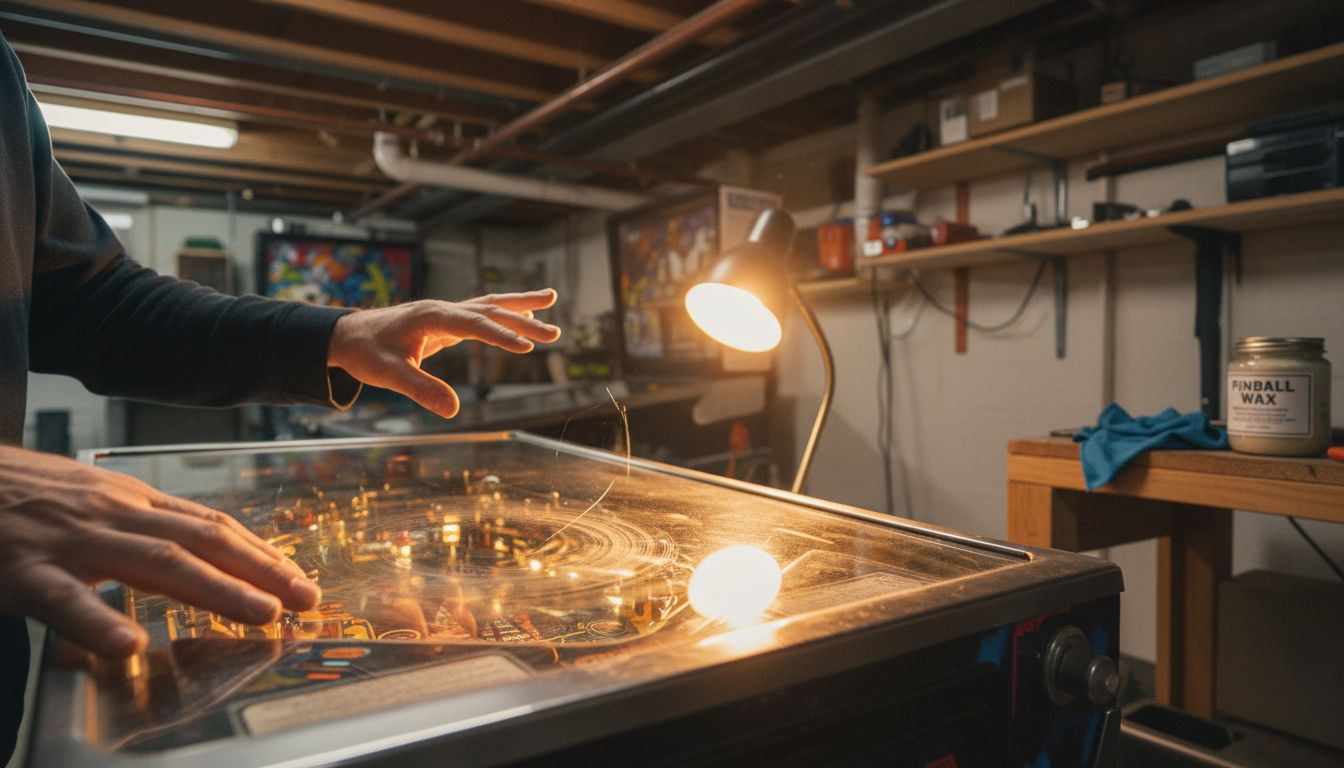
Brand reputation affects collector demand and can increase resale value by 30%. Bally machines from the 1990s golden era command strong prices due to proven reliability and timeless gameplay. Stern’s modern releases incorporate LCD screens and complex rule sets, attracting tech-savvy collectors. Williams machines, particularly from their final production years before closure, achieve premium status due to manufacturing excellence and nostalgic appeal.
Technological features create value tiers within the market. Classic electromechanical machines appeal to purists who prize simplicity and mechanical craftsmanship. Solid-state electronics from the 1980s offer expanded gameplay without excessive complexity. Modern machines feature LCD displays, elaborate lighting, and interactive modes that require specialized knowledge for maintenance. Some collectors prefer simpler technology for reliability, while others seek cutting-edge features.
For deeper insights into pinball machine value concepts and must-have pinball features, consult these detailed guides. Understanding new pinball technology helps you evaluate modern machines against vintage classics.
Pro Tip: Document your machine’s condition with high-resolution photos of the playfield, cabinet, and backglass before listing. Transparent condition disclosure builds buyer trust and justifies asking prices.
Just as broker reputation importance matters in other collectibles markets, seller credibility significantly impacts final sale prices in pinball transactions.
Common misconceptions about pinball machine value
Many sellers assume restoration automatically increases value, but purist collectors disagree. Restored machines typically sell for 10-15% less than original condition machines. Collectors prize factory originality, viewing restoration as alteration rather than improvement. Professional restorations using authentic parts minimize this penalty, but rarely eliminate it entirely.
The vintage versus new debate confuses many beginners. Age alone doesn’t guarantee value: a pristine 1995 Addams Family machine often commands higher prices than a 2015 model in similar condition. Desirability stems from gameplay innovation, licensed themes, and production quality rather than manufacturing date. Some newer releases appreciate rapidly due to limited availability, while certain vintage models languish due to poor gameplay or maintenance challenges.
Condition represents just one valuation factor among several. A Near-Mint machine from an unpopular title with high production numbers won’t match prices of a Good-condition rare classic. Rarity and desirability interact with condition to determine final value. Collectors overlook machines in excellent physical shape if gameplay, theme, or brand fail to resonate with market preferences.
Ignoring current market demand leads to unrealistic pricing expectations. What sold for premium prices five years ago might have softened due to shifting collector interests. Pop culture trends influence licensed machine values: renewed media attention for classic franchises temporarily boosts related pinball prices. Monitor active sales data rather than relying on outdated price guides or anecdotal reports.
Assuming all machines appreciate over time sets unrealistic expectations. Common models from high-production runs often remain stable or depreciate slightly. Only truly exceptional machines with proven collector demand show consistent appreciation. Market saturation from baby boomer collections entering resale channels has softened prices for once-premium models.
Pro Tip: Join online collector forums to observe real-time transactions and pricing discussions. Active community participation reveals market sentiment better than published guides.
For comprehensive coverage of pinball valuation myths, review detailed case studies exposing common pricing errors.
Comparing brands, models, and editions
Brand prestige creates measurable value differences across the market. Bally machines from 1990 to 1999 retain approximately 30% higher resale value than equivalent-era Data East models. Stern’s current production enjoys strong support due to active company operations, replacement parts availability, and ongoing software updates. Williams machines command premium prices despite ceased production because collectors recognize superior engineering and timeless gameplay.
Iconic titles consistently outperform average releases across all conditions and production years:
| Brand | Model | Production Year | Typical Premium vs Average |
|---|---|---|---|
| Bally | Addams Family | 1992 | +45% |
| Williams | Attack From Mars | 1995 | +50% |
| Data East | Star Wars | 1992 | +25% |
| Stern | Ghostbusters | 2016 | +35% |
| Williams | Medieval Madness | 1997 | +60% |
Licensed editions featuring popular franchises achieve price premiums when media attention renews public interest. A standard production Ghostbusters machine appreciates modestly, while the Premium and Limited Edition versions with enhanced features command 40% to 80% higher prices. Numbered limited editions with certificates of authenticity and exclusive artwork consistently outperform standard releases.
Model popularity directly influences market liquidity and final sale prices. High-demand machines like Medieval Madness sell quickly at asking price, while obscure titles require patience and price flexibility. Popular models benefit from established price floors: collector competition prevents significant depreciation even during market downturns.
Special editions with artist signatures, prototype features, or factory modifications create unique value propositions. These one-of-a-kind variations appeal to advanced collectors willing to pay substantial premiums for exclusivity. Verify authenticity through manufacturer records and collector association databases before paying premium prices for claimed special editions.
For detailed pinball pricing comparison across brands and models, consult current market analysis tools.
Utilizing market data and pricing benchmarks
Reliable pricing data comes from specialized auction houses and verified marketplace transactions. Heritage Auctions and Morphy Auctions regularly feature premium pinball machines with detailed condition reports and realized prices. Online marketplaces like Pinside and Craigslist provide asking prices, but completed sales represent true market value. Track sold listings rather than active listings to understand actual transaction prices.
Interpreting appreciation rates requires careful analysis of multiple data points over extended periods. A single high-value sale doesn’t establish market trends: look for consistent price increases across multiple transactions. Calculate annual appreciation by comparing similar-condition sales over 3 to 5 years. Adjust for condition improvements, restorations, or market bubbles when projecting future values.
Verify listing authenticity by cross-referencing serial numbers, production dates, and factory specifications. Request detailed photos showing cabinet internals, playfield underside, and electronics. Incomplete machines sold as complete represent common fraud: confirm all original components exist before committing to purchases. Reputable sellers provide condition disclosure statements and accept inspection periods.
Recent sales data outweighs listing prices for accurate valuation. Sellers often price optimistically, then reduce prices when machines fail to sell. Transaction histories reveal actual market clearing prices, showing what buyers willingly pay. Weight sales from the past 6 months heaviest, then consider 12 to 24-month trends for broader context.
Assess pricing information reliability by evaluating source credibility:
- Professional auction houses with documented expertise
- Active collector forums with verified transaction records
- Specialty dealers with transparent pricing histories
- Industry publications with editor-verified data
- Manufacturer-endorsed price guides updated annually
For comprehensive pinball market data sources, reference curated directories of trusted pricing platforms.
Practical tips for valuing your pinball machine
Systematic condition assessment starts with the playfield, the machine’s most valuable component. Examine for wear patterns, insert condition, and paint loss under bright lighting. Check plastics for cracks, fading, or replacements. Test all playfield mechanisms including flippers, bumpers, and targets for proper operation. Document any non-original parts, as each replacement reduces collector appeal and market value.
Inspect cabinet condition by examining exterior paint, side art, and structural integrity. Original factory decals and artwork command premiums over reproduction graphics. Check for water damage, especially in lower cabinets where moisture accumulates. Assess backglass condition carefully: chips, flaking, or fading significantly impact value since replacement backglasses rarely match original quality.
Electronics evaluation requires testing all boards, displays, and sound systems. Power up the machine and run diagnostic routines checking for error codes. Verify original CPU boards rather than aftermarket replacements. Test all lighting including general illumination and flashers. Audio systems should produce clear sound without distortion or speaker damage.
Choosing the right sales channel significantly impacts final returns:
- Direct collector sales via forums and social media yield highest prices but require time and effort
- Dealer consignment offers convenience with 15% to 25% commission costs
- Auction houses provide professional marketing but charge 20% to 30% fees
- Private sales to arcades or operators move inventory quickly at wholesale prices
Restored machines require different pricing strategies than original-condition units. Disclose all restoration work including replaced components, refinished surfaces, and upgraded electronics. Price restored machines 10% to 15% below equivalent original-condition examples unless restoration used authenticated factory parts. Professional restorations by recognized experts minimize price penalties compared to amateur work.
Set realistic price ranges by analyzing comparable sales from the past 6 months. Price at the high end for exceptional examples with superior condition or rare features. Allow 10% to 15% negotiation room in asking prices for typical examples. Be prepared to adjust quickly if comparable machines list at lower prices.
Pro Tip: Consult with experienced collectors or professional appraisers before pricing rare or high-value machines. Their expertise prevents costly pricing errors.
For step-by-step guidance on valuing your pinball machine and understanding pinball machine appreciation insights, explore detailed evaluation frameworks.
Conclusion: enhancing collection value through informed decisions
Accurate pinball machine valuation combines knowledge of rarity, condition assessment, brand reputation, and current market data. Mastering these fundamentals protects you from pricing errors whether buying, selling, or simply tracking your collection’s value. The most successful collectors continuously research market trends, participate in community discussions, and document their machines professionally.
Informed decisions consistently lead to better financial outcomes in pinball collecting. Understanding which brands retain value helps you build portfolios that appreciate over time. Recognizing the impact of condition and authenticity prevents overpaying for restored or incomplete machines. Accessing reliable market data ensures you price competitively without leaving money on the table.
Your growing expertise transforms collecting from hobby to investment strategy. Apply the valuation techniques covered here each time you evaluate a potential purchase or prepare a machine for sale. Track your results, learn from market feedback, and refine your assessment skills over time.
The pinball market rewards collectors who combine passion with analytical rigor. Use this guide’s tools and insights to enhance your collection’s value while enjoying the timeless appeal of premium pinball machines.
Explore premium pinball machines for sale
Ready to add a premium machine to your collection? Premium Pinballs offers a curated selection of top-tier models including iconic classics and cutting-edge new releases. Our inventory features thoroughly inspected machines with detailed condition reports, so you buy with complete confidence.
Browse our best pinball machines for arcades to discover commercial-grade options built for heavy use. Check out our best pinball machines 2025 roundup featuring the latest innovations in gameplay and design. Explore new pinball technology insights to understand how modern features enhance value and playability. Contact our team today to discuss your collecting goals and find the perfect machine for your space.
Frequently asked questions
What determines a pinball machine’s premium value?
Rarity, condition, brand reputation, and market demand form the foundation of premium pinball valuation. Production numbers and special editions create scarcity that drives collector competition. Condition grading using established scales directly impacts pricing, with original components commanding significant premiums over restored parts. Brand prestige from manufacturers like Bally and Stern adds 30% value compared to lesser-known makers. Current market demand fluctuates based on pop culture trends and collector preferences, requiring ongoing research for accurate assessments.
How does restoration affect pinball machine value?
Restoration typically reduces value by 10% to 15% compared to original-condition machines of equivalent quality. Purist collectors prioritize factory originality and view restoration as alteration rather than improvement. Professional restorations using authenticated factory parts minimize this penalty but rarely eliminate it completely. Amateur restorations with aftermarket components face steeper discounts due to authenticity concerns and potential reliability issues.
Where can I find reliable market pricing data for pinball machines?
Specialized auction houses like Heritage Auctions and Morphy Auctions provide documented sale prices with detailed condition reports. Online marketplaces such as Pinside show completed transactions rather than just listing prices. Collector associations publish annual price guides based on verified sales data. Focus on sales from the past 6 months for current market conditions, and always verify transaction authenticity before using data for valuation decisions.
Which brands retain value best in the pinball market?
Bally and Stern machines generally retain approximately 30% higher resale value compared to other manufacturers. Williams models from their final production years command premium prices due to superior engineering and collector nostalgia. Iconic models like Addams Family and Medieval Madness consistently outperform average releases regardless of age. Licensed editions featuring popular franchises achieve strong value retention when media attention renews public interest in associated properties.