
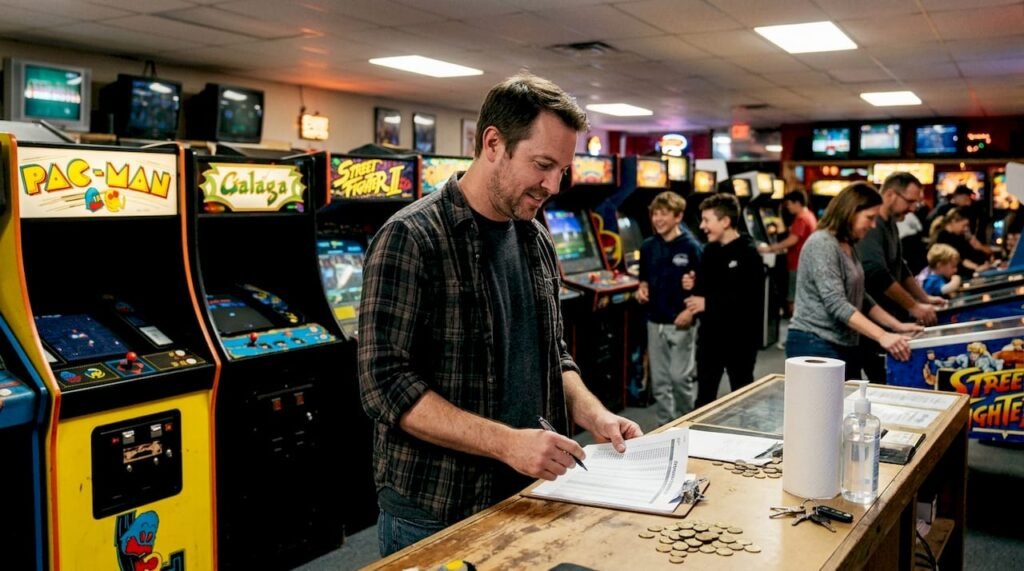
Most people assume arcade machines are relics of the past, but data reveals they can generate substantial returns for both businesses and collectors. Arcade businesses break even in 12-24 months with proper planning, while rare vintage pinball machines appreciate significantly over time. This article explores why arcade machine investments work, how to evaluate profitability, and what separates successful ventures from costly mistakes. Whether you’re launching a commercial arcade or building a personal collection, understanding these financial realities transforms arcade machines from nostalgic curiosities into strategic assets.
Table of Contents
- Key takeaways
- How arcade machines generate profit for businesses
- Investment considerations for individual collectors
- Challenges and best practices in arcade machine investment
- Practical steps to start investing in arcade machines
- Explore premium pinball machines at Premium Pinballs LLC
- Frequently asked questions
Key Takeaways
| Point | Details |
|---|---|
| Upfront investment range | Arcade ventures require about $205,000 to $730,000 upfront depending on location size and machine count. |
| Break even timeline | Break-even typically occurs in 12 to 24 months with 50 to 125 daily visitors and an average revenue per customer of $10 to $25. |
| Revenue channels and pricing | Profit relies on multiple streams such as direct gameplay fees, redemption prizes, and food and beverage sales, aided by dynamic pricing. |
| Top earning machines | Redemption games, claw machines, pinball, racing simulators, and photo booths offer strong returns when matched to audience preferences and maintained well. |
| Maintenance and diversification | Budget 10 to 15 percent of gross revenue for maintenance and diversify machine mix to appeal to varied age groups and maximize per visit spend. |
How arcade machines generate profit for businesses
Arcade businesses achieve profitability with upfront investments ranging from $205,000 to $730,000, depending on location size and machine quantity. These ventures need 50 to 125 daily visitors to break even, with average revenue per customer hitting $10 to $25. The payback period typically spans 12 to 24 months when operators manage costs effectively and select machines strategically.
Profit margins in arcade businesses range from 10% to 25%, influenced heavily by machine mix and operational efficiency. Revenue streams include direct gameplay fees, redemption prizes, and ancillary services like food and beverage sales. Operators who integrate multiple revenue channels consistently outperform single-focus competitors.
The highest-return arcade machines include:
- Redemption games that offer tickets or prizes generate repeat visits
- Claw machines with adjustable difficulty settings maximize profit per play
- Pinball machines attract enthusiasts willing to spend extended time
- Racing simulators command premium pricing for immersive experiences
- Photo booths create shareable moments that drive social media promotion
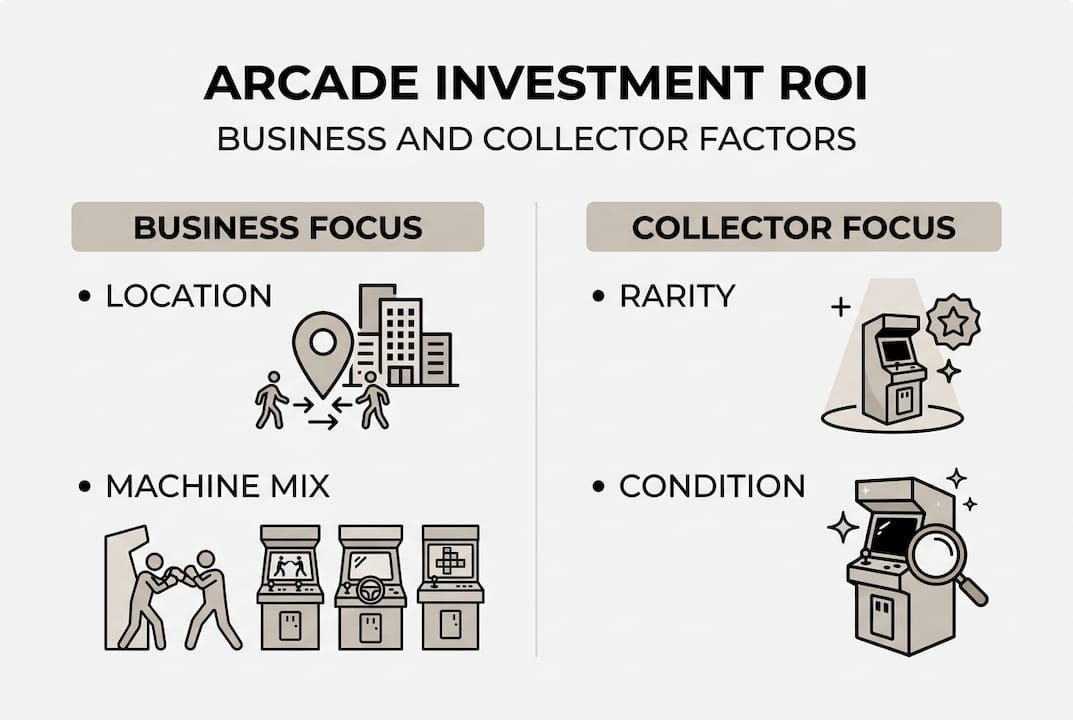
Location determines success more than any other factor. High-traffic venues near entertainment districts, shopping centers, or family destinations deliver consistent visitor flow. Operators must evaluate foot traffic patterns, demographic alignment, and competitor proximity before committing to lease agreements.
Dynamic pricing strategies allow operators to charge premium rates during peak hours while offering discounts during slow periods. This approach maximizes machine utilization and revenue per square foot. Pairing arcade operations with food and beverage sales creates additional profit centers that enhance overall margins.
Pro Tip: Track revenue per machine weekly to identify underperformers. Replace machines generating less than $50 weekly with higher-demand alternatives to maintain optimal portfolio performance.
Successful arcade operators diversify their machine selection to appeal to multiple age groups and preferences. A balanced portfolio includes classic games for nostalgia seekers, modern titles for younger audiences, and skill-based options for competitive players. This strategy extends visit duration and increases per-customer spending.
The best pinball machines for arcades combine brand recognition with engaging gameplay mechanics. Titles featuring popular franchises attract casual players, while complex rule sets keep enthusiasts returning. Operators should prioritize machines with proven revenue history and manageable maintenance requirements.
Maintenance costs significantly impact profitability. Budgeting 10% to 15% of gross revenue for repairs, parts replacement, and preventive maintenance prevents unexpected downtime. Establishing relationships with reliable technicians reduces response times when machines malfunction.
Investment considerations for individual collectors
Rare vintage arcade and pinball machines appreciate in value, with sought-after titles like Pac-Man reaching $4,000 or more. However, modern pinball machines typically depreciate compared to traditional investments like the S&P 500. This fundamental difference shapes how collectors should approach arcade machine investments.
Vintage machines gain value through three primary factors:
- Rarity increases as working units become scarce over time
- Historical significance elevates machines tied to cultural moments or technological breakthroughs
- Condition determines premium pricing, with fully restored units commanding top dollar
Collectors must recognize that modern pinball machines behave differently than vintage counterparts. New releases depreciate 20% to 30% in the first year as initial demand stabilizes. Limited edition runs or manufacturer discontinuations can slow depreciation, but expecting appreciation requires exceptional circumstances.
The investment outlook for arcade machines differs fundamentally from stocks or real estate. Machines require physical space, ongoing maintenance, and specialized knowledge. Unlike passive investments, collections demand active management to preserve and enhance value. Collectors should view arcade machines as passion investments that may appreciate rather than guaranteed financial instruments.
Maintenance and parts costs present significant challenges for vintage collectors. Older machines use obsolete components like CRT monitors and proprietary circuit boards. Finding replacement parts often requires scouring specialty suppliers or salvaging from non-working units. These realities make vintage collecting more expensive than initial purchase prices suggest.
Pro Tip: Focus collection efforts on machines from manufacturers with active enthusiast communities. Strong collector networks provide parts sources, technical support, and resale opportunities that isolated titles lack.
Strategic collection building maximizes appreciation potential. Collectors should target machines with documented production numbers, particularly those under 5,000 units. Titles that defined genres or introduced innovative features tend to maintain stronger demand. Provenance matters too, as machines with documented history or celebrity ownership command premiums.
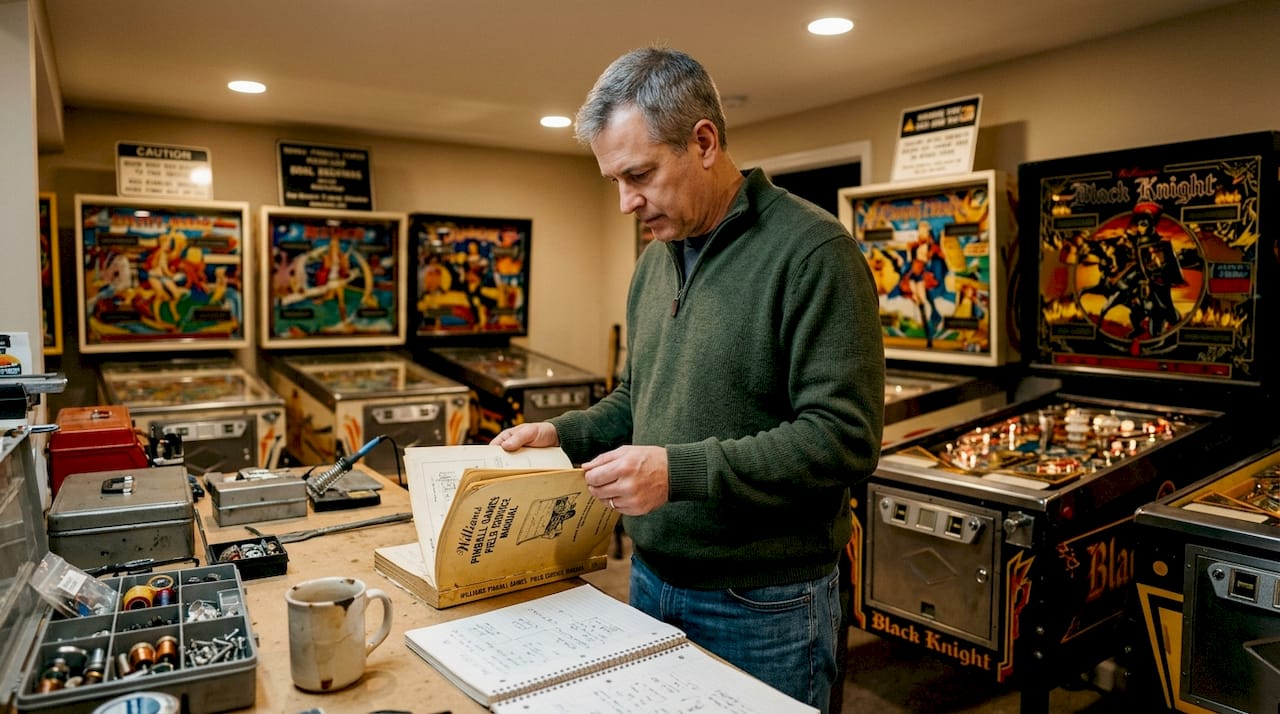
Understanding pinball machine value requires evaluating playfield condition, cabinet artwork integrity, and mechanical functionality. Machines with original parts and minimal modifications retain higher value than heavily customized units. Restoration quality significantly affects pricing, with professional work adding substantial value over amateur efforts.
Collectors should avoid common pitfalls like emotional purchasing without market research. Overpaying for readily available machines erodes potential returns. Similarly, neglecting maintenance accelerates depreciation as machines deteriorate. Successful collectors balance passion with pragmatic financial analysis.
The why invest in vintage pinball question ultimately depends on individual goals. Pure financial return seekers face better options in traditional markets. However, collectors who value tangible assets with personal enjoyment potential find arcade machines rewarding despite mixed financial performance.
Challenges and best practices in arcade machine investment
High maintenance and parts costs for vintage machines create ongoing financial obligations that investors must anticipate. Vintage arcade cabinets use CRT technology requiring specialized repair knowledge. Circuit boards fail over time, and replacement components often come from salvaged machines rather than new inventory.
Location expenses extend beyond rent to include utilities, insurance, and local licensing fees. Arcade businesses in premium locations face monthly costs exceeding $10,000 before accounting for labor or machine maintenance. Underestimating these fixed costs leads to cash flow problems that force premature closures.
Comparing vintage and modern machines reveals distinct cost profiles:
| Factor | Vintage Machines | Modern Machines |
|---|---|---|
| Initial cost | $2,000-$8,000+ | $6,000-$12,000 |
| Parts availability | Limited, expensive | Manufacturer support |
| Maintenance frequency | High, specialized skills | Moderate, standardized |
| Appreciation potential | Strong for rare titles | Typically depreciates |
| Operating complexity | Requires technical knowledge | User-friendly diagnostics |
Common mistakes include:
- Underestimating total ownership costs beyond purchase price
- Selecting machines based on personal preference rather than revenue potential
- Neglecting regular maintenance until major failures occur
- Failing to research local regulations and licensing requirements
- Overconcentrating investment in single machine types or eras
Best practices for successful arcade investment:
- Diversify machine portfolio across genres, eras, and player demographics
- Establish preventive maintenance schedules with monthly inspections
- Select machines with documented ROI data from similar venues
- Build relationships with parts suppliers and technicians before emergencies arise
- Monitor industry trends to anticipate shifts in player preferences
Pro Tip: Create a machine evaluation scorecard rating revenue history, maintenance requirements, parts availability, and space efficiency. Only acquire machines scoring above your threshold to maintain portfolio quality.
Successful investors recognize that machine selection drives profitability more than quantity. A smaller collection of high-performing machines outearns larger portfolios filled with underperformers. Data-driven selection based on revenue per square foot and maintenance cost ratios separates profitable operations from struggling ventures.
The pinball machine ownership cost extends beyond purchase price to encompass electricity, replacement parts, and periodic rebuilds. Modern pinball machines consume 150 to 300 watts during operation, adding $50 to $100 annually in electricity costs per machine. Vintage machines with older power supplies may consume more.
Evaluating machines before purchase requires systematic inspection:
- Test all playfield features and verify mechanical functionality
- Inspect cabinet for water damage, structural issues, or artwork deterioration
- Review electronic components for signs of previous repairs or modifications
- Research production numbers and current market pricing for comparable units
- Assess parts availability and typical maintenance requirements
- Verify authenticity of rare or high-value machines with serial number databases
Space requirements affect both commercial operators and home collectors. Standard arcade cabinets occupy 6 to 8 square feet of floor space, while pinball machines require 15 to 20 square feet including player area. Operators must calculate revenue per square foot to justify space allocation decisions.
The how to choose pinball for arcades process balances brand appeal, gameplay depth, and maintenance reality. Machines with licensed themes attract casual players, while deep rule sets engage enthusiasts for extended sessions. Operators should test machines in their target demographic before committing to purchases.
Practical steps to start investing in arcade machines
Starting your arcade machine investment journey requires systematic planning and clear financial objectives. Business operators need comprehensive budgets covering machines, location, insurance, and working capital for at least six months. Collectors should define whether they prioritize financial appreciation, personal enjoyment, or both before making purchases.
Initial research and budgeting steps:
- Define your investment goals and acceptable risk level
- Research local regulations, licensing requirements, and zoning restrictions
- Calculate total startup costs including contingency funds
- Identify target locations or collection focus areas
- Establish relationships with suppliers, technicians, and industry networks
- Create financial projections with conservative revenue estimates
Machine selection criteria differ between commercial and collector investments. Diverse machines, dynamic pricing, and added F&B improve margins to 10-25% for business operators. Commercial buyers should prioritize proven revenue generators over personal favorites. Collectors can emphasize rarity and appreciation potential while accepting higher maintenance costs.
Location evaluation for commercial ventures:
- Analyze foot traffic patterns during different times and days
- Assess demographic alignment with target customer profiles
- Evaluate competitor proximity and market saturation
- Review lease terms, renewal options, and exit clauses
- Calculate revenue required to cover fixed costs and achieve target margins
Collectors should evaluate space requirements and environmental conditions before acquiring machines. Humidity control prevents playfield warping and electronic corrosion. Temperature stability protects cabinet artwork and mechanical components. Adequate electrical capacity supports multiple machines without overloading circuits.
Diversification strategies protect against market shifts and changing preferences. Commercial operators should maintain machine mixes appealing to families, teenagers, and adult enthusiasts. Collectors can diversify across eras, manufacturers, or themes to create comprehensive collections with broader market appeal.
Establishing maintenance plans prevents costly emergency repairs. Schedule monthly inspections covering:
- Playfield cleaning and waxing to maintain smooth ball movement
- Rubber ring replacement before deterioration affects gameplay
- Flipper mechanism lubrication and adjustment
- Electronic connection inspection and cleaning
- Cabinet and artwork touch-ups to prevent deterioration
Pro Tip: Document all maintenance activities and repairs in a digital log. This history increases resale value and helps identify recurring issues requiring permanent solutions.
The best home arcade machines balance entertainment value with practical considerations like size, noise levels, and maintenance requirements. Home collectors should prioritize machines they genuinely enjoy playing over purely financial considerations. Personal use adds value beyond potential appreciation.
Leveraging events enhances commercial arcade profitability. Tournament nights attract competitive players and generate buzz. Birthday party packages create predictable revenue streams. Corporate team-building events fill slow daytime hours. These strategies increase utilization rates and build community around your venue.
The why collect pinball machines question has both financial and personal dimensions. Successful collectors find satisfaction in preservation, gameplay enjoyment, and community participation. Financial returns become secondary benefits rather than primary motivations for most long-term collectors.
Starting small allows you to learn operational realities before committing substantial capital. Commercial operators can begin with 10 to 15 carefully selected machines and expand based on performance data. Collectors should acquire one or two machines, master maintenance requirements, and then grow their collections strategically.
Explore premium pinball machines at Premium Pinballs LLC
Whether you’re launching a commercial arcade or building a personal collection, Premium Pinballs LLC offers the expertise and inventory to support your investment goals. Our curated selection includes refurbished, used, and new premium pinball machines from iconic titles like Addams Family and Attack From Mars to modern releases like Ghostbusters.
We understand that successful arcade investments require more than just purchasing machines. Our team provides guidance on machine selection, maintenance planning, and portfolio optimization. Explore our collection of best pinball machines for arcades to find revenue-generating options, or discover why collect pinball machines to understand the collector perspective. For home enthusiasts, browse our best home arcade machines to find the perfect addition to your entertainment space. Contact us today to discuss your arcade machine investment strategy.
Frequently asked questions
What is the typical ROI for arcade machine investments?
Commercial arcade businesses typically achieve 10% to 25% profit margins with payback periods of 12 to 24 months when properly managed. Individual machines in high-traffic locations can generate $200 to $500 monthly revenue. Vintage collector machines may appreciate 5% to 15% annually for rare titles, though this varies significantly by condition and demand.
Do vintage pinball machines really appreciate in value?
Rare vintage pinball machines with production runs under 5,000 units can appreciate significantly, with sought-after titles reaching $4,000 or more. However, appreciation requires excellent condition, original parts, and strong collector demand. Modern pinball machines typically depreciate 20% to 30% in the first year, making them poor pure investment vehicles compared to traditional assets.
How do maintenance costs affect arcade profitability?
Maintenance costs typically consume 10% to 15% of gross revenue for commercial operators. Vintage machines require more frequent and expensive repairs due to obsolete parts and specialized knowledge requirements. Neglecting preventive maintenance leads to extended downtime and emergency repair costs that can eliminate profitability. Successful operators budget conservatively and maintain strong technician relationships.
What factors influence the choice of arcade machines for investment?
Commercial operators prioritize revenue history, maintenance requirements, and demographic appeal when selecting machines. Collectors focus on rarity, historical significance, condition, and appreciation potential. Both groups should consider parts availability, space requirements, and personal expertise. Location quality matters more for commercial ventures, while collector preferences can emphasize personal enjoyment alongside financial considerations.
Can arcade machine investments be profitable for individuals vs. businesses?
Businesses achieve profitability through volume, operational efficiency, and multiple revenue streams including food and beverage sales. Individual collectors face different economics, with rare vintage machines offering appreciation potential but requiring ongoing maintenance investments. Commercial ventures suit investors seeking active business income, while collecting appeals to enthusiasts valuing tangible assets with personal enjoyment benefits alongside potential appreciation.
Recommended
- Why Invest in Vintage Pinball – Pinball Machines for Sale – Premium Pinballs LLC
- Why collect pinball machines – Pinball Machines for Sale – Premium Pinballs LLC
- best home arcade machines – Pinball Machines for Sale – Premium Pinballs LLC
- Pinball Machine Ownership cost – Pinball Machines for Sale – Premium Pinballs LLC
- 7 Benefits of Investing in Designer Bags for Collectors – BVPRIVE