

Pinball machine ownership brings excitement and nostalgia, but unexpected repair costs can quickly dampen your enthusiasm. Whether you own a vintage classic or a modern premium machine, mechanical and electronic components eventually need attention. Without proper warranty management, you could face hundreds or thousands of dollars in repair bills that eat into your investment. Understanding how to navigate warranty coverage, maintain detailed records, and execute claims effectively protects both your machine and your wallet. This guide walks you through everything you need to know about managing pinball warranties and implementing maintenance practices that keep your machine running smoothly for years to come.
Table of Contents
- Key takeaways
- Understanding pinball machine warranties and what’s covered
- Preparing for effective warranty management
- Executing warranty claims and dealing with repairs
- Maintaining your pinball machine to extend warranty benefits
- Explore premium pinball machines and services
- Frequently asked questions
Key Takeaways
| Point | Details |
|---|---|
| Warranty types | Warranty options include manufacturer coverage, extended plans, and third party programs with varying durations and exclusions. |
| Organize records | Keep detailed warranty records including purchase date, coverage start, excluded items, and contact information to streamline claims. |
| Mistakes to avoid | Avoid missing deadlines, assuming coverage, or ignoring exclusions by thoroughly reviewing terms and keeping all correspondence. |
| Maintenance benefits | Regular maintenance extends machine life and helps prevent issues that could fall outside warranty coverage. |
Understanding pinball machine warranties and what’s covered
Pinball machine warranties come in several forms, each offering different levels of protection for your investment. Manufacturer warranties typically accompany new machines and provide the most comprehensive coverage. These warranties usually protect against defects in materials and workmanship for a specified period. Extended warranties, available through retailers or third-party providers, kick in after manufacturer coverage expires and can stretch protection for several additional years. Third-party warranty programs offer flexible options but require careful review of terms and exclusions.
Standard pinball machine warranties generally cover parts and labor for a specific period, typically one year, though premium models sometimes include longer coverage. Most warranties protect major components like circuit boards, power supplies, displays, and mechanical assemblies. However, coverage typically excludes wear items such as rubber rings, bulbs, and balls that require regular replacement. Some warranties cover shipping costs for replacement parts, while others require you to pay freight charges. Labor coverage varies significantly, with some warranties covering technician fees and others limiting protection to parts only.
Warranty terms differ substantially based on machine condition. New pinball machines usually come with full manufacturer warranties covering all components except consumables. Refurbished machines often include limited warranties that protect against defects discovered during the restoration process but may exclude pre-existing wear. Vintage pinball machines rarely carry warranties unless sold by specialty dealers who offer their own coverage programs. Understanding these distinctions helps you set realistic expectations about protection levels.
Key warranty terms you should know include the coverage period, which defines how long protection lasts from purchase date. Exclusions list specific components, damage types, or circumstances not covered by the warranty. The claim process outlines steps required to request repairs or replacements. Deductibles, if applicable, specify amounts you must pay before warranty coverage applies. Transferability determines whether warranty protection passes to subsequent owners if you sell the machine.
Knowing warranty details protects your investment by helping you budget for uncovered repairs and plan maintenance schedules. Understanding pinball machine parts covered and excluded under warranty prevents surprises when components fail. You can make informed decisions about purchasing extended coverage based on your machine’s age, usage intensity, and component reliability history. This knowledge also helps you evaluate whether a particular machine offers good value when comparing purchase options.
- Review warranty documents immediately upon delivery to understand coverage scope
- Identify which components have full protection versus limited or no coverage
- Note coverage period start and end dates to track when protection expires
- Understand claim filing requirements and deadlines to avoid missing windows
- Recognize exclusions that could leave you responsible for certain repair costs
Preparing for effective warranty management
Organizing warranty documentation from day one sets the foundation for successful claims and ongoing machine care. Start by creating a dedicated physical folder or digital archive for all warranty paperwork. Include the original purchase receipt, warranty certificate, owner’s manual, and any supplementary documentation provided by the seller. These documents prove purchase date, verify coverage terms, and provide contact information for warranty service. Without proper documentation, you may struggle to prove eligibility when filing claims.

Keeping organized records and purchase checklists simplifies warranty claims and ongoing maintenance. Create a master document listing your machine’s serial number, model name, purchase date, and warranty expiration date. Include contact details for the manufacturer, seller, and any warranty administrators. This centralized reference saves time when you need to initiate claims or schedule service. Digital copies stored in cloud services provide backup access if physical documents are lost or damaged.
Tracking maintenance and service history systematically demonstrates proper care and strengthens warranty claims. Create a maintenance log documenting every cleaning session, part replacement, and repair. Note dates, work performed, parts used, and any issues observed. This record proves you maintained the machine according to manufacturer recommendations, which prevents warranty denials based on neglect claims. Service logs also help technicians diagnose problems faster by providing component history.
Checking warranty expiration dates regularly prevents coverage lapses that leave you unprotected. Set calendar reminders three months before warranty expiration to evaluate whether purchasing extended coverage makes financial sense. Some extended warranties must be purchased before original coverage expires, so early planning prevents gaps. Review your machine’s reliability during the initial warranty period to assess whether additional protection justifies the cost.
Photographing your machine’s serial number plates, condition, and key components provides visual documentation for claims. Take clear photos of the playfield, cabinet exterior, backglass, and any existing wear or damage immediately after delivery. These images establish baseline condition and protect against disputes about pre-existing damage versus new issues. Update photos after major maintenance or repairs to maintain current documentation.
- Store all warranty documents in a waterproof, fireproof container or secure digital storage
- Create backup copies of critical documents and store them separately from originals
- Maintain a detailed spreadsheet tracking warranty coverage for multiple machines if you own several
- Set up automated reminders for warranty expiration dates and required maintenance intervals
- Keep receipts for all replacement parts and service work to demonstrate ongoing care
Pro Tip: Photograph serial numbers and machine condition immediately upon delivery, then store these images with your warranty documents. This visual record proves the machine’s original state and helps verify claims if disputes arise about damage timing or component condition.
Executing warranty claims and dealing with repairs
Filing warranty claims successfully requires following specific procedures and providing complete information. A clear, stepwise approach to warranty claims improves resolution speed and reduces disputes. Start by reviewing your warranty terms carefully to confirm the issue falls within coverage scope. Check whether the problem involves covered components and whether you’re still within the coverage period. Verify that you haven’t violated any terms that could void protection, such as unauthorized modifications or improper maintenance.
- Review warranty terms to confirm coverage applies to your specific issue and verify you’re within the coverage period
- Contact the warranty provider using the designated phone number or email address listed in your warranty documents
- Prepare detailed information including machine model, serial number, purchase date, and warranty certificate number before calling
- Describe the issue clearly and specifically, explaining symptoms, when the problem started, and any troubleshooting already attempted
- Provide photos or videos demonstrating the malfunction if the warranty administrator requests visual documentation
- Follow instructions for shipping the machine, delivering it for service, or receiving replacement parts based on warranty terms
- Obtain a claim number and contact information for the assigned service representative handling your case
- Monitor repair timelines and follow up regularly to ensure progress continues and deadlines are met
- Keep records of all communications, including dates, representative names, claim numbers, and commitments made
- Inspect repaired machines or replacement parts carefully upon return to verify issues are resolved before signing off
Communicating effectively with warranty administrators accelerates claim processing. When describing problems, focus on observable symptoms rather than guessing at causes. Explain exactly what the machine does or doesn’t do, any error messages displayed, and circumstances when the problem occurs. Avoid technical jargon unless you’re certain about diagnoses, as incorrect information can delay troubleshooting. Provide requested documentation promptly to prevent processing delays.
Documenting all interactions throughout the claim process protects your interests. Record the date and time of each phone call, email exchange, or service visit. Note the name and title of every person you speak with, along with summaries of what was discussed and promised. Save all email correspondence and confirmation numbers. This documentation trail proves what was agreed upon if disputes arise about coverage, timelines, or repair quality.
Understanding repair options helps you make informed decisions when warranty claims are approved. Some warranties require you to ship machines to authorized service centers, while others send technicians to your location. Shipping options may include manufacturer-arranged freight or self-arranged transport with reimbursement. Best pinball machines for arcades often include on-site service options that minimize downtime for commercial operators. Know your rights regarding repair timelines, as some warranties guarantee maximum turnaround periods.
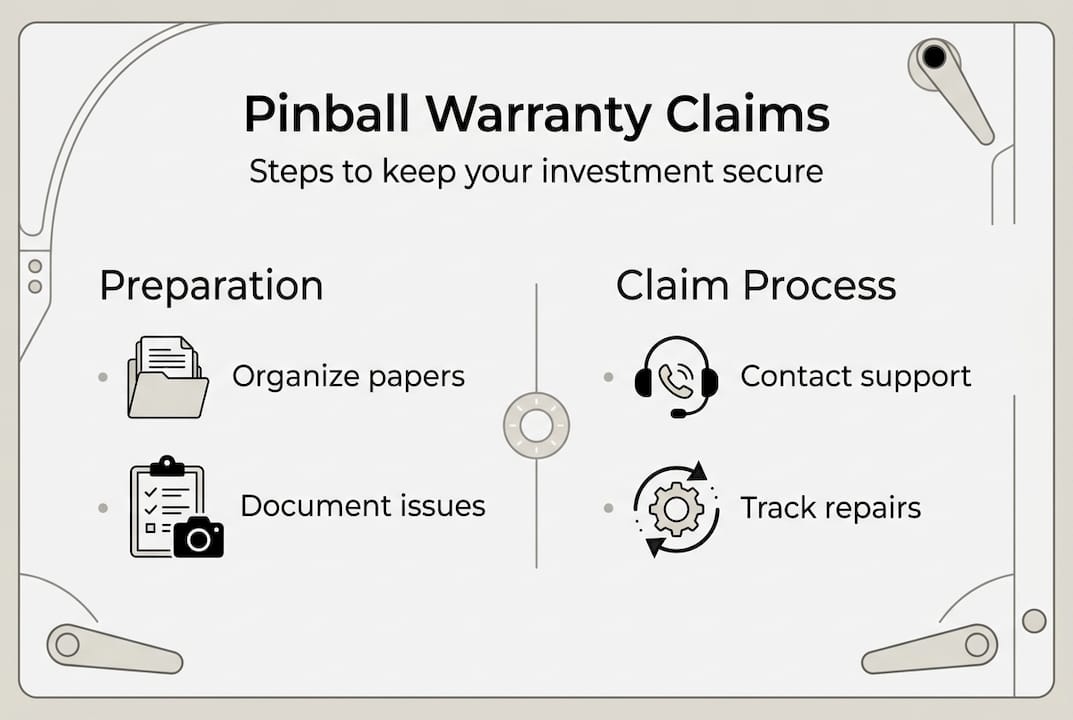
Monitoring repair progress prevents unnecessary delays. Contact your service representative at regular intervals to check status and address any complications. If repairs exceed promised timelines, escalate to supervisors or warranty managers. Some warranties provide loaner machines or rental credits if repairs take longer than specified periods. Understanding these provisions helps you minimize disruption to your enjoyment or business operations.
Pro Tip: Create a claim file for each warranty issue that includes all communications, photos, tracking numbers, and repair documentation. This organized approach makes it easy to reference information during follow-up calls and provides complete records if you need to escalate unresolved claims.
For additional guidance on warranty processes and consumer protections, Bel Viaggio warranty information provides examples of comprehensive coverage terms and claim procedures that demonstrate industry best practices.
Maintaining your pinball machine to extend warranty benefits
Regular maintenance complements warranty coverage by preventing problems before they require claims. Routine maintenance improves machine reliability and can prevent warranty claim denials due to neglect. Many warranties include clauses that void coverage if machines show evidence of poor maintenance or neglect. Establishing consistent care routines demonstrates responsible ownership and strengthens your position if warranty disputes arise.
Cleaning your playfield and components regularly prevents dirt buildup that causes premature wear and mechanical failures. Wipe down the playfield glass weekly to remove fingerprints and dust. Clean the playfield surface monthly using approved cleaners that won’t damage artwork or protective coatings. Vacuum beneath the playfield to remove dust from circuit boards and mechanical assemblies. Clean flipper mechanisms, pop bumpers, and slingshots to ensure smooth operation. Regular cleaning extends component life and reduces the likelihood of failures that require warranty claims.
Inspecting mechanical and electronic parts monthly catches developing issues before they cause major damage. Check rubber rings for cracking or wear and replace them before they break and damage playfield artwork. Examine flipper bats for chips or wear that affect ball control. Test all lights and replace burnt bulbs promptly. Listen for unusual sounds during gameplay that might indicate mechanical problems. Look for loose wiring connections or signs of overheating on circuit boards. Early detection allows you to address minor issues before they escalate into warranty-worthy failures.
Lubricating moving parts according to manufacturer recommendations keeps mechanisms operating smoothly and prevents excessive wear. Apply appropriate lubricants to flipper assemblies, pop bumper mechanisms, and other moving parts at intervals specified in your owner’s manual. Use only recommended lubricant types, as wrong products can attract dirt or damage components. Proper lubrication reduces friction that causes premature wear and mechanical failures.
Keeping a routine maintenance checklist helps you track completed tasks and maintain consistent care schedules. Create a monthly checklist covering cleaning, inspection, and lubrication tasks. Note completion dates and any issues discovered during maintenance sessions. This log demonstrates diligent care if warranty administrators question whether problems resulted from neglect. Regular documentation also helps you identify patterns that might indicate developing problems requiring professional attention.
- Clean playfield glass and surface regularly to prevent dirt-related wear and damage
- Inspect and replace rubber rings before they crack and cause playfield damage
- Test all mechanical assemblies monthly to catch problems early
- Lubricate moving parts according to manufacturer specifications
- Document all maintenance activities to prove proper care
| Maintenance Approach | Benefits | Limitations |
|---|---|---|
| Basic DIY maintenance | Lower cost, immediate attention, builds machine knowledge | Requires time investment, limited to simple tasks, may miss complex issues |
| Professional servicing | Expert diagnosis, specialized tools, comprehensive inspections | Higher cost, scheduling required, machine downtime during service |
| Combined approach | Balances cost and expertise, catches both simple and complex issues | Requires coordination, needs judgment about when to call professionals |
Balancing DIY maintenance with professional servicing optimizes machine care while managing costs. Handle routine tasks like cleaning and basic inspections yourself to save money and maintain regular attention. Schedule professional service annually or when you discover issues beyond your skill level. Technicians can perform comprehensive diagnostics, calibrate mechanisms precisely, and identify problems you might miss. This combined approach maximizes machine reliability while keeping maintenance costs reasonable.
Understanding pinball pricing includes factoring in ongoing maintenance costs alongside initial purchase price and warranty expenses. Machines with robust warranties may justify higher purchase prices by reducing long-term repair costs. Conversely, lower-priced machines might require more frequent maintenance and repairs that offset initial savings. Evaluating total cost of ownership helps you make smart purchasing decisions that align with your budget and maintenance capabilities.
Explore premium pinball machines and services
Now that you understand how to protect your pinball investment through effective warranty management and maintenance, you’re ready to explore machines that combine quality construction with solid warranty coverage. Premium Pinballs offers an extensive selection of new and refurbished pinball machines backed by comprehensive warranty options that give you peace of mind. Whether you’re adding to an existing collection or purchasing your first machine, our inventory includes iconic titles and modern favorites suited for home entertainment or commercial operations.
Our educational resources help you make informed decisions about machine selection, maintenance, and long-term care. Explore our guide to best pinball machines for arcades to find models that deliver reliability and player appeal for commercial settings. Learn about advantages of refurbished pinballs to discover how expertly restored machines offer excellent value with warranty protection. Deepen your technical knowledge with our comprehensive overview of understanding pinball machine parts to better communicate with service technicians and make informed maintenance decisions.
Frequently asked questions
What types of warranties are common for pinball machines?
Manufacturer warranties typically cover new machines for one year and protect against defects in materials and workmanship. Extended warranties, available through retailers or third-party providers, offer additional coverage beyond the initial period. Refurbished machine warranties usually provide limited protection covering the restoration work performed but may exclude pre-existing wear on original components.
How do I file a warranty claim for my pinball machine?
Contact your warranty provider using the information in your warranty documents and have your machine’s serial number, purchase date, and warranty certificate ready. Describe the problem clearly and provide photos if requested. Follow their specific instructions for shipping the machine, arranging on-site service, or receiving replacement parts based on your warranty terms.
Can poor maintenance void my pinball machine warranty?
Yes, most warranties include clauses that void coverage if the machine shows evidence of neglect or improper maintenance. Keeping detailed maintenance logs and following manufacturer care recommendations protects your warranty rights. Regular cleaning, timely replacement of wear items, and proper lubrication demonstrate responsible ownership that supports warranty claims.
What should I do if my warranty claim is denied?
Request a detailed written explanation of why the claim was denied and review your warranty terms to verify the decision. If you believe the denial is incorrect, gather documentation supporting your position and escalate to a supervisor or warranty manager. Some warranty programs include dispute resolution procedures or arbitration options for unresolved disagreements.
How does regular maintenance affect warranty coverage?
Proper maintenance strengthens warranty claims by demonstrating you cared for the machine according to manufacturer recommendations. Documented maintenance history proves that problems resulted from defects rather than neglect. Conversely, lack of maintenance can lead to claim denials if warranty administrators determine that proper care would have prevented the failure.
Recommended
- How to handle your pinball purchase checklist – Pinball Machines for Sale – Premium Pinballs LLC
- understanding pinball pricing – Pinball Machines for Sale – Premium Pinballs LLC
- Understanding pinball machine value – Pinball Machines for Sale – Premium Pinballs LLC
- Pinball Machine Ownership cost – Pinball Machines for Sale – Premium Pinballs LLC