
TL;DR:
- LED lighting in pinball replaces traditional bulbs with energy-efficient, long-lasting, and customizable solid-state LEDs. This upgrade reduces heat, protects components, and enhances machine aesthetics, especially when tailored with suitable color temperatures and lenses. Most conversions are plug-and-play, but careful circuit identification and testing ensure compatibility and optimal visual effects.
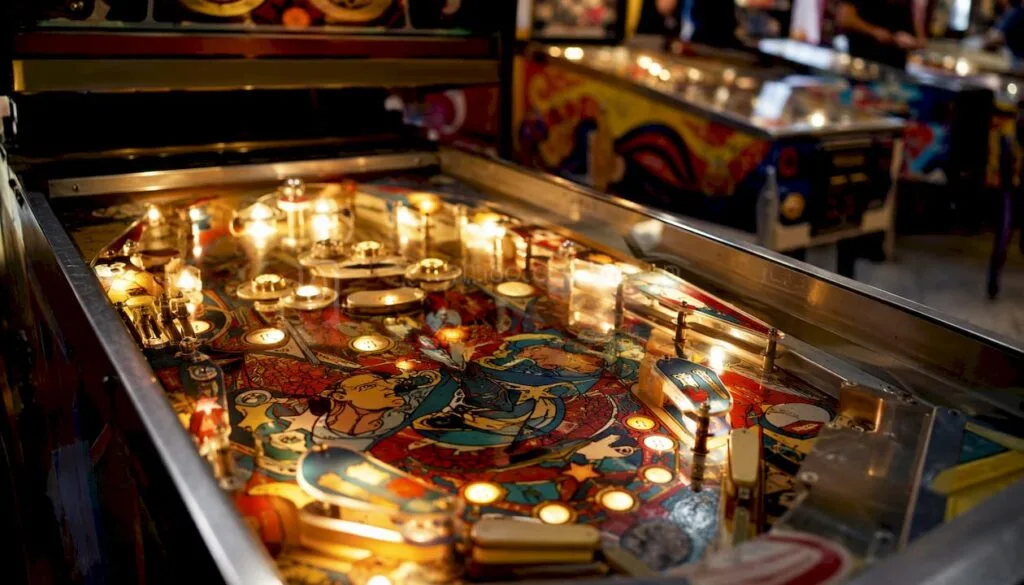
LED lighting in pinball is defined as the use of light-emitting diode technology to replace or supplement the traditional incandescent bulbs found throughout a pinball machine’s playfield, backbox, and cabinet. This upgrade delivers brighter, longer-lasting, and far more customizable illumination than the incandescent lamps that shipped with most classic machines. For collectors and enthusiasts who want to know what is led lighting in pinball and why it matters, the answer is straightforward: LEDs consume a fraction of the power, generate far less heat, and open up a world of color and effect options that incandescent bulbs simply cannot match. Machines like Addams Family, Attack From Mars, and Ghostbusters have all benefited from this technology, and Premiumpinballs stocks many models already upgraded or ready for conversion.
What is LED lighting in pinball, and why does it matter?
LED lighting in pinball refers to solid-state light sources that emit light when electrical current passes through a semiconductor material. The industry term is “solid-state lighting,” though collectors almost universally call them pinball LEDs. These bulbs slot directly into the same sockets used by the original incandescent lamps, making the swap accessible to anyone comfortable with basic machine maintenance.
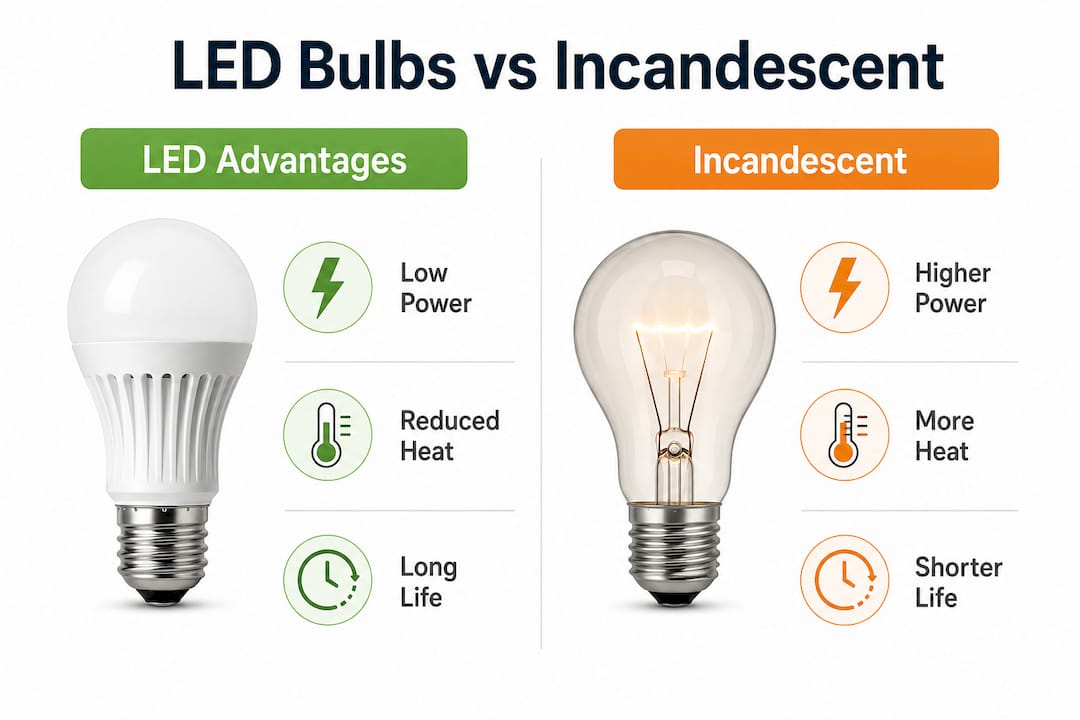
The core advantage is efficiency. Pinball-specific LED bulbs consume roughly 0.1W to 0.5W per bulb, compared to the 1W to 6W draw of a typical incandescent lamp. That reduction adds up fast across a playfield with 50 or more lamp positions. Less current draw means less stress on the power supply and driver boards, which are among the most expensive components to replace on a vintage machine.
Heat is the other critical factor. LEDs produce far less heat than incandescent bulbs, and that matters enormously inside a sealed cabinet where plastic ramps, rubber rings, and printed playfield art sit inches from the lamps. Lower heat directly extends the life of those components, which is why collectors who care about preservation treat LED conversion as a priority, not an optional upgrade.
What are the technical advantages of LED lighting in pinball machines?
The performance gap between LEDs and incandescent bulbs is substantial, and it shows up in four specific areas.
- Power consumption: LEDs draw 0.1W–0.5W per position, reducing total machine draw significantly and protecting aging power supplies.
- Lifespan: LED bulbs last tens of thousands of hours, while incandescent lamps frequently fail from the constant vibration of gameplay. Fewer replacements mean less time with the glass off and more time playing.
- Heat output: Lower operating temperatures protect playfield plastics, printed artwork, and rubber components from the slow heat damage that incandescent bulbs cause over years of use.
- Vibration resistance: LEDs have no filament to break. Pinball machines vibrate constantly during play, and that vibration is the primary killer of incandescent bulbs. LEDs are immune to it.
- Board protection: Reduced current draw lowers stress on driver boards and transistors, which is especially valuable on machines from the 1980s and 1990s where replacement boards are scarce and expensive.
Commercial operators favor LEDs primarily for reliability and reduced heat, which cuts failures and maintenance costs during long operating hours. That same logic applies to the home collector who wants a machine that runs beautifully for years without constant attention.
Pro Tip: Before starting any LED conversion, photograph your playfield under the original incandescent lighting. That reference image helps you match color temperature and brightness when selecting replacement bulbs.
How do color temperature and lighting style affect pinball aesthetics?
Color temperature is measured in Kelvin (K), and the choice you make shapes the entire visual personality of your machine. Pinball enthusiasts generally prefer warm white (2700K–3000K) for vintage machines, neutral white (~4000K) for balanced all-around use, and cool white (~6000K) for modern or competitive setups. Each temperature produces a genuinely different atmosphere on the playfield.
| Color Temperature | Range | Best Use |
|---|---|---|
| Warm white | 2700K–3000K | Vintage and electromechanical machines |
| Neutral white | ~4000K | General purpose, mixed-era machines |
| Cool white | ~6000K | Modern solid-state, competition play |
| Colored LEDs | Varies | Thematic customization and effect lighting |
Warm white preserves the amber glow that players associate with classic machines from the 1970s and 1980s. It flatters original artwork and maintains the nostalgic atmosphere that makes vintage collecting so rewarding. Cool white, by contrast, makes ball paths and targets pop with sharp clarity, which is why tournament players often prefer it for competitive setups.
Correctly selected LEDs enhance artwork visibility without washing out the playfield or causing glare. The misconception that LEDs always look harsh comes from early, poorly specified bulbs. Modern LEDs engineered for pinball are color-balanced to complement the original artwork rather than overpower it.
Lens shape matters as much as color temperature. The directional nature of LEDs requires careful choice between frosted, dome, and clear lenses. Frosted lenses diffuse light evenly across a playfield section. Clear lenses concentrate output for inserts and targets that need a sharp, defined glow. Dome lenses split the difference and work well in general illumination (GI) positions.
Pro Tip: For machines with translucent playfield inserts, use frosted or diffused LED lenses rather than clear ones. Clear lenses create a harsh hotspot directly over the insert, while frosted lenses spread light evenly and make the insert glow uniformly.
What installation and compatibility considerations apply to pinball LED upgrades?
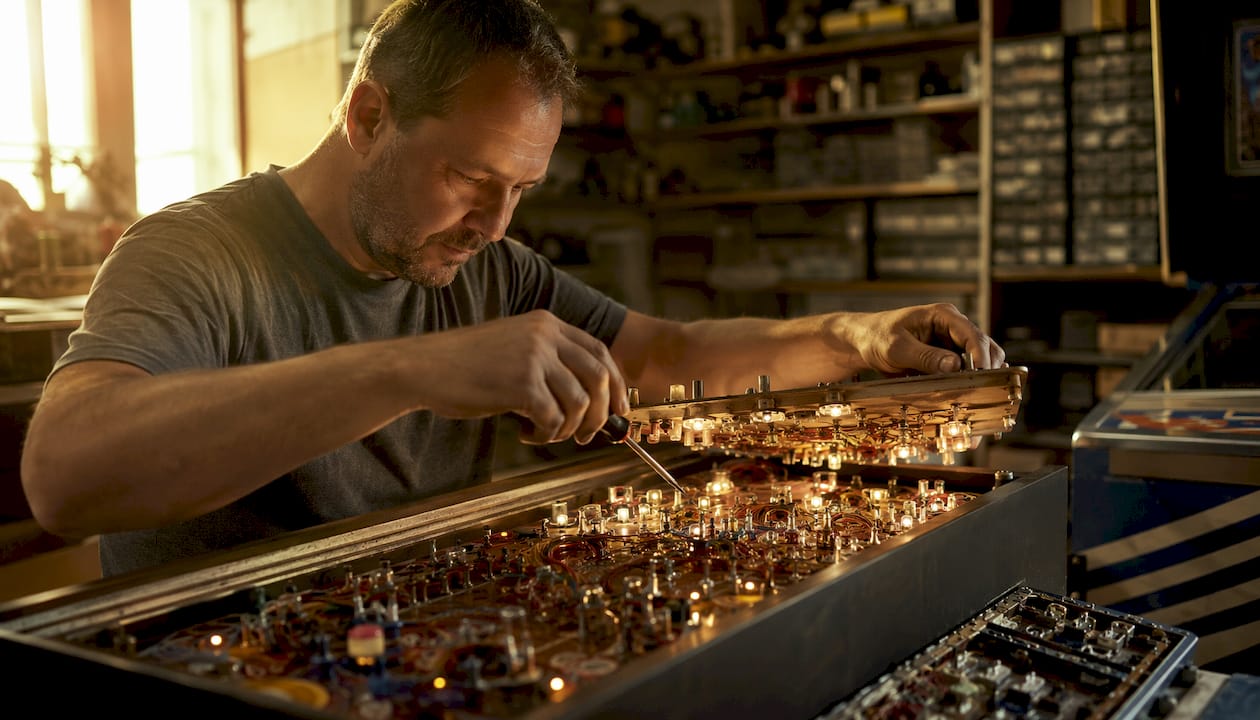
Most pinball LED conversions are genuinely straightforward. Most pinball LED bulbs are plug-and-play replacements for standard 6.3V lamp circuits, requiring no rewiring or power supply modification. A typical bulb swap takes under 30 seconds per position.
That said, a few technical details deserve attention before you start.
- Identify your circuit types. GI circuits use 6.3V AC, while controlled lamp circuits often use 6.3V DC. LEDs must match their respective circuit type. Mismatched LEDs flicker or perform poorly.
- Check physical size. Some LED packages are larger than the incandescent bulbs they replace. Measure clearance under ramps and near plastics before ordering.
- Address ghosting. Ghosting is a residual glow on LEDs that should be off. It is caused by low residual voltages in older lamp circuits. Non-ghosting LEDs use built-in capacitors to smooth that residual voltage and eliminate the problem entirely.
- Choose the right SMD package. Modern pinball LEDs use 2835, 5050, or 5630 SMD packages, selected based on desired brightness and beam spread. Smaller packages suit tight positions; larger packages deliver more output for backbox lighting.
- Test before committing. Install a few bulbs in representative positions and run the machine through a lamp test before replacing every socket. This catches compatibility issues early.
Knowing how to install LED lights in pinball machines correctly means understanding these circuit distinctions upfront. Skipping the circuit-type check is the single most common mistake collectors make on their first conversion.
Pro Tip: Order a small mixed sample of warm white, neutral white, and cool white LEDs before committing to a full conversion. Live testing on your specific machine under your room’s ambient lighting is the only reliable way to judge which temperature looks right.
How can LED customization enhance your machine’s theme and gameplay?
LED customization is where pinball lighting moves from practical upgrade to genuine artistry. RGB LED kits offer customizable color effects, including fades, chases, and color shifts that can be synchronized with game events or set as static themes. A machine running RGB lighting in its backbox and GI positions becomes a statement piece in any room.
Collectors use LED customization in several distinct ways:
- Thematic color matching: Replacing white GI bulbs with colored LEDs that match a machine’s artwork palette. A machine with a deep-space theme looks extraordinary with cool blue GI lighting throughout the cabinet.
- Target highlighting: Using brighter or contrasting-color LEDs on key targets and ramps to improve ball-tracking visibility during fast gameplay.
- Backbox enhancement: Adding RGB strips or high-output LEDs behind the backglass to make the translite artwork glow with depth and intensity.
- Restoration authenticity: Choosing warm white LEDs that replicate the original incandescent look for machines being restored to period-correct condition.
- Showpiece builds: Combining RGB effects with pinball mods like custom aprons and shooter rods to create a fully personalized collector’s piece.
Early LED upgrades were often too bright and poorly color-balanced, sometimes washing out playfields. Modern LEDs are engineered specifically for pinball, allowing collectors to upgrade without sacrificing the original machine’s look and feel. That evolution means you no longer have to choose between the practical benefits of LEDs and the visual authenticity of the original design.
The advantages of LED upgrades extend beyond aesthetics. Thoughtful lighting choices improve ball visibility on complex playfields, reduce eye fatigue during long sessions, and make the machine more inviting to new players who might otherwise find a dark or uneven playfield confusing.
Pro Tip: When customizing a vintage machine, start with the GI positions using warm white LEDs, then selectively add colored LEDs only to inserts and targets. This approach preserves the machine’s original character while still delivering the practical benefits of LED technology.
Key Takeaways
LED lighting is the single most impactful upgrade a pinball collector can make, delivering energy savings, heat reduction, extended lifespan, and full color customization without modifying the machine’s core circuits.
| Point | Details |
|---|---|
| Power efficiency | LEDs draw 0.1W–0.5W per position, protecting aging power supplies and driver boards. |
| Heat and longevity | Lower heat output preserves playfield plastics, artwork, and rubber components over years of use. |
| Color temperature choice | Match Kelvin rating to machine era: warm white for vintage, cool white for modern or competitive play. |
| Ghosting prevention | Use non-ghosting LEDs with built-in capacitors to eliminate residual glow on older lamp circuits. |
| Customization range | RGB kits and colored LEDs allow thematic effects without rewiring or permanent machine modification. |
Why I think most collectors wait too long to make this upgrade
I have worked with pinball machines long enough to remember when LED conversions were genuinely controversial. Early adopters put in bulbs that were blinding, color-wrong, and made beautiful vintage playfields look like a convenience store at midnight. That reputation stuck, and I still meet collectors who are skeptical of LEDs because of machines they saw fifteen years ago.
The technology has moved on completely. The LED bulbs available now are engineered with pinball in mind. They match the warmth of original incandescent lamps when you want that, and they deliver crisp modern output when you want that instead. The ghosting problem that plagued early conversions is solved by non-ghosting designs that any collector can buy off the shelf today.
What I find most compelling is the preservation argument. Every hour a machine runs on incandescent bulbs, heat is slowly degrading the plastics, the artwork, and the rubber. That damage is invisible until it is not. Collectors who care about the long-term condition of their machines should view LED conversion not as a cosmetic choice but as a conservation measure. The care you give to display lighting and heat management directly determines how well a piece holds up over decades.
My honest advice: do not let the memory of bad early LEDs stop you from making a conversion that will protect your machine and make it look better than it has in years.
— Jim
Premiumpinballs: machines built for collectors who care about quality
Premiumpinballs carries an inventory of refurbished, used, and new pinball machines, including iconic titles that collectors prize for their playfield complexity and visual richness. Many of the machines in the catalog are already upgraded or are ideal candidates for LED conversion, giving you a head start on a lighting setup that performs and looks exactly the way you want.

Whether you are searching for a showpiece for your game room or a reliable machine for commercial use, the best pinball machines for arcades and home collectors are all in one place. Premiumpinballs also offers guidance on upgrades, so you can make informed decisions about LED conversions and other enhancements before you buy. Browse the full selection and find a machine that matches your vision.
FAQ
What is LED lighting in pinball machines?
LED lighting in pinball refers to light-emitting diode bulbs that replace incandescent lamps throughout a machine’s playfield, backbox, and cabinet. These bulbs draw 0.1W–0.5W per position, last tens of thousands of hours, and produce far less heat than traditional incandescent lamps.
Do LED bulbs require rewiring a pinball machine?
Most pinball LED bulbs are plug-and-play replacements for standard 6.3V lamp circuits and require no rewiring or power supply modification. The main compatibility check is matching the LED to the correct circuit type, either AC for GI circuits or DC for controlled lamp positions.
What causes ghosting in pinball LED upgrades?
Ghosting is a residual glow on LEDs that should be off, caused by low residual voltages in older pinball lamp circuits. Non-ghosting LED bulbs use built-in capacitors to smooth that voltage and eliminate the effect entirely.
Which LED color temperature is best for vintage pinball machines?
Warm white LEDs in the 2700K–3000K range best replicate the amber glow of original incandescent lamps on vintage machines. This temperature flatters period artwork and preserves the nostalgic atmosphere that makes classic machines so desirable.
Can RGB LEDs damage a pinball machine’s electronics?
RGB LED kits designed for pinball are plug-and-play and do not damage electronics when installed correctly. Their low power draw actually reduces stress on driver boards compared to incandescent bulbs, making them a safe choice for both vintage and modern machines.