
Many pinball enthusiasts assume all machines offer similar gameplay, but the reality is far more nuanced. Modern pinball machines feature vastly different playfield designs, interactive elements, sound systems, and lighting configurations that fundamentally alter both the playing experience and collector value. Understanding these distinctions helps you make informed decisions whether you’re building a home collection, outfitting an arcade, or simply seeking the most engaging gameplay. This guide breaks down the essential features that separate ordinary machines from exceptional ones, giving you the knowledge to identify quality and value at a glance.
Table of Contents
- Understanding Core Pinball Machine Components And Features
- Exploring Interactive Playfield Features And Their Impact On Gameplay
- The Role Of Technology: Sound, Lighting, And Modern Innovations In Pinball Machines
- Choosing The Right Pinball Machine Features For Your Collection Or Arcade
- Discover Top Pinball Machines Featuring Advanced Gameplay And Design
- Frequently Asked Questions
Key takeaways
| Point | Details |
|---|---|
| Playfield variety | Machines differ dramatically in ramp layouts, target placement, and interactive mechanisms that define gameplay complexity. |
| Technology integration | Advanced sound systems, LED lighting, and digital displays create immersive experiences that traditional machines cannot match. |
| Feature alignment | Selecting machines with features suited to your intended use maximizes both enjoyment and long term investment value. |
| Customization potential | Many pinball machines allow upgrades to lighting, audio, and cabinet elements, enhancing both playability and collector appeal. |
Understanding core pinball machine components and features
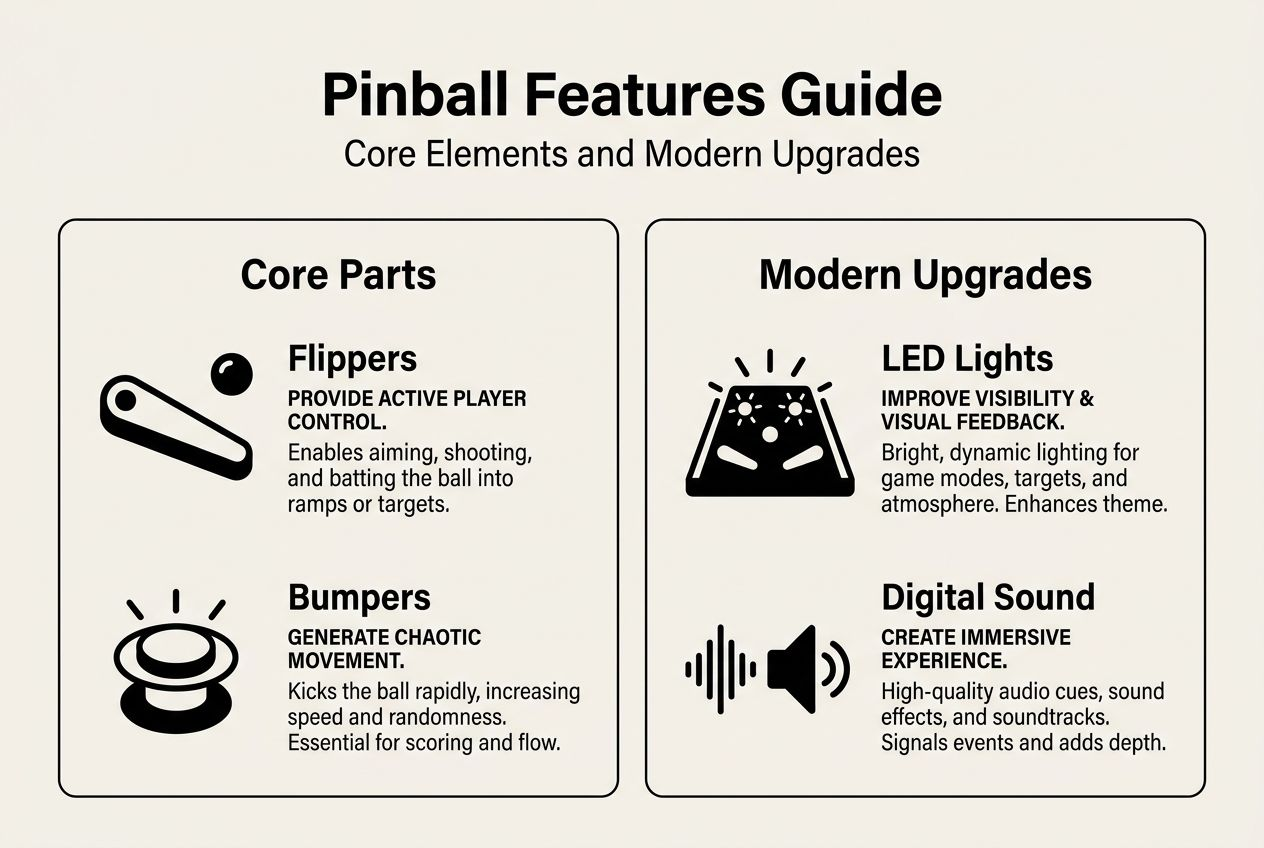
Every pinball machine shares fundamental components, but how manufacturers implement these parts creates entirely different playing experiences. The cabinet houses all mechanical and electronic systems, while the playfield serves as the primary interaction surface where balls travel and players score points. The backglass displays artwork and scoring information, creating visual identity for each machine. Flippers give players direct control, and bumpers provide automated ball interaction that keeps gameplay dynamic.
Pinball machine parts include playfield elements like ramps that guide balls to specific targets, drop targets that disappear when struck, and spinners that award points based on rotation speed. Understanding these components helps you evaluate machine complexity and potential for skilled play. Some machines feature simple layouts with basic bumper arrangements, while others incorporate elaborate ramp systems, multiple playfield levels, and dozens of interactive targets.
Key components that distinguish quality machines include:
- Playfield surface quality and artwork durability
- Flipper responsiveness and mechanical precision
- Target variety including stationary, drop, and captive ball designs
- Ramp construction affecting ball flow and shot difficulty
- Bumper placement creating strategic bounce patterns
The interaction between these elements determines whether a machine offers casual entertainment or deep strategic gameplay. Machines with well designed component placement reward skill development, while poorly arranged features can frustrate players regardless of mechanical quality. When evaluating any pinball machine, examine how components work together rather than counting features in isolation.
Exploring interactive playfield features and their impact on gameplay
Interactive playfield features transform pinball from simple ball bouncing into engaging skill based entertainment. Ramps create satisfying shot opportunities that require precise flipper timing, while loops allow balls to circle the playfield and build momentum. Captive balls sit in confined areas where they can be struck repeatedly for bonus scoring, and spinners rotate when hit to accumulate points based on speed. These elements add layers of strategy that keep experienced players engaged for years.
Multiball modes represent the pinnacle of interactive pinball design. During multiball, two or more balls enter play simultaneously, creating chaotic action that tests player focus and flipper control. Must have pinball features such as multiball add layers of interaction, improving engagement and challenge beyond what single ball play offers. Some machines trigger multiball through specific target sequences, while others use time based or random activation.
Scoring incentives tied to playfield features create compelling gameplay loops. Completing ramp shots in sequence might activate jackpot modes, while hitting all drop targets could light extra ball opportunities. These progressive reward systems encourage players to develop specific skills rather than relying purely on luck. The best designed playfields balance accessible features for beginners with advanced shot combinations that challenge experts.
Pro Tip: When evaluating playfield design, look for machines with clear shot paths and visible targets. Cluttered layouts frustrate players by obscuring objectives, while well organized playfields communicate goals through intuitive design. Test flipper angles to ensure you can reach major features from both sides without requiring lucky bounces.
Interactive elements that enhance long term playability:
- Progressive mission structures requiring multiple playfield objectives
- Timed modes adding urgency to specific shot sequences
- Combo multipliers rewarding consecutive successful shots
- Hidden features activated through unconventional target combinations
- Skill shots requiring precise plunger control at ball launch
The role of technology: sound, lighting, and modern innovations in pinball machines
Technological advancement has revolutionized pinball beyond mechanical improvements. Modern sound systems deliver orchestral quality music, character voice callouts, and dynamic sound effects that respond to gameplay events. Background music shifts based on game mode, building tension during multiball or celebrating major achievements with triumphant themes. Voice acting from licensed properties adds personality, making machines feel like interactive entertainment rather than simple arcade games.
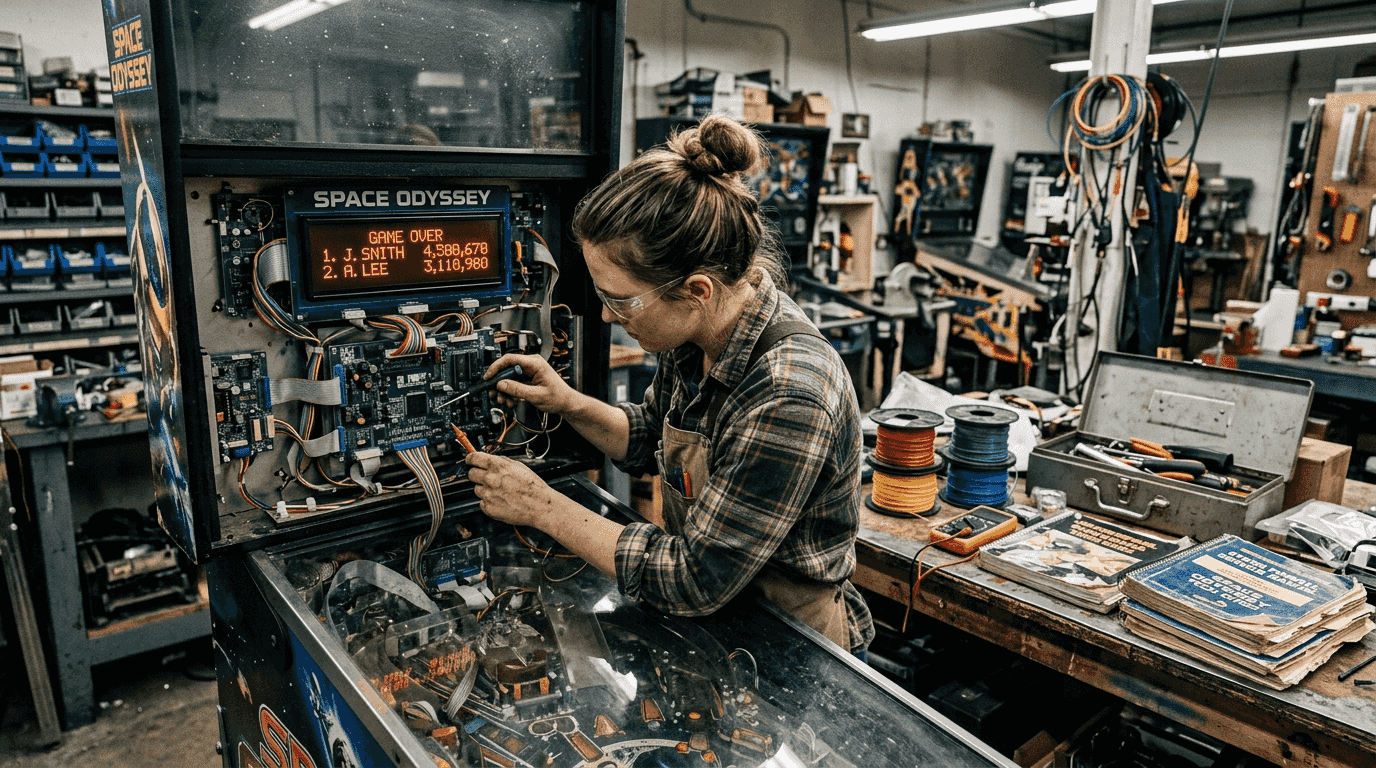
Lighting features have evolved from basic bulbs to programmable LED systems capable of creating synchronized light shows. Interactive lighting guides players toward active objectives by illuminating relevant targets, while dramatic effects celebrate successful shots with cascading colors. New pinball technology creates more immersive play experiences and influences machine value by delivering production quality comparable to video games.
Digital displays have largely replaced mechanical score reels, enabling animated sequences, detailed statistics tracking, and visual storytelling during gameplay. High definition screens show mission objectives, replay highlight moments, and provide tutorials for complex features. Some manufacturers integrate displays directly into playfield design, creating hybrid experiences where physical and digital elements interact seamlessly.
| Feature Category | Traditional Implementation | Modern Innovation | Player Benefit |
|---|---|---|---|
| Sound | Basic chimes and bells | Multi channel audio with licensed soundtracks | Enhanced atmosphere and emotional engagement |
| Lighting | Incandescent bulbs with fixed patterns | Programmable RGB LEDs with dynamic sequences | Clear objective communication and visual spectacle |
| Displays | Mechanical score reels | High definition LCD screens | Detailed information and animated storytelling |
| Controls | Purely mechanical switches | Hybrid systems with digital feedback | Improved reliability and customization options |
Pro Tip: Balance nostalgia with modern enhancements when selecting a machine. While traditional mechanical features offer authentic arcade feel, modern technology significantly improves reliability and reduces maintenance requirements. Consider machines that preserve classic gameplay while incorporating LED lighting and improved sound systems for the best of both approaches.
Technology integration affects more than just aesthetics. Modern components like arcade LED push buttons improve durability and reduce power consumption compared to traditional incandescent systems. Digital sound boards allow operators to adjust volume and customize audio settings without physical modifications. These practical benefits make technologically advanced machines more suitable for both home and commercial environments.
Choosing the right pinball machine features for your collection or arcade
Selecting pinball machines requires matching features to your specific goals and environment. Home collectors prioritize different attributes than commercial arcade operators, and casual players have distinct needs compared to competitive enthusiasts. Choosing pinball for arcades with features aligned to intended use maximizes satisfaction and investment value by ensuring machines deliver appropriate experiences.
For home use, consider space constraints, noise levels, and maintenance accessibility. Machines with complex mechanical systems require regular adjustment, while solid state electronics offer reliability with minimal upkeep. Theme selection matters more in home environments where you’ll encounter the machine daily, so choose artwork and sound design that won’t become tiresome. Feature depth determines longevity, as simple machines lose appeal faster than those offering progressive challenges.
Arcade operators need durable machines that withstand heavy use while attracting diverse players. Eye catching cabinet artwork and recognizable licenses draw attention in competitive environments, while intuitive gameplay ensures new players can enjoy machines without extensive tutorials. Revenue potential correlates with replay value, making machines with varied gameplay modes and adjustable difficulty settings ideal for commercial settings.
Evaluating machines against personal goals:
- Define primary use case: casual entertainment, skill development, collecting, or commercial operation
- Establish budget including purchase price, delivery costs, and anticipated maintenance expenses
- Assess available space considering machine dimensions, clearance for service access, and player movement area
- Research theme appeal and license popularity to gauge long term interest and potential resale value
- Test gameplay if possible or watch detailed video reviews showing actual play sessions
- Verify parts availability and manufacturer support for ongoing maintenance needs
- Compare pinball machine value factors including condition, rarity, and feature completeness
| Use Case | Ideal Features | Considerations | Example Machine Types |
|---|---|---|---|
| Home Collection | Engaging theme, moderate complexity, reliable electronics | Space efficiency, noise control, family appeal | Licensed properties with broad recognition |
| Competitive Play | Deep rule sets, skill based scoring, tournament modes | Consistent playfield speed, balanced difficulty | Modern Stern titles with code depth |
| Commercial Arcade | Durable construction, visual appeal, quick game cycles | High traffic tolerance, revenue optimization | Popular licenses with simple entry points |
| Serious Collecting | Historical significance, original condition, rarity | Investment potential, restoration requirements | Classic Williams and Bally titles |
Feature trade-offs require careful consideration. Machines with extensive interactive elements offer engaging gameplay but demand more maintenance than simpler designs. Licensed themes attract players through familiar characters but may cost more upfront and carry ongoing royalty considerations. Understanding these balances helps you select machines that fit your situation rather than chasing features that sound impressive but don’t align with actual needs.
The scene design objectives concept applies to pinball playfield layout, where competing design goals create dynamic tension. Manufacturers balance accessibility with challenge, simplicity with depth, and reliability with innovation. Recognizing these design philosophies helps you identify machines that match your preferences.
Discover top pinball machines featuring advanced gameplay and design
Now that you understand which features create exceptional pinball experiences, explore machines that exemplify these qualities. Premium Pinballs offers curated selections of best pinball machines 2025 featuring the advanced technology, engaging playfield designs, and quality construction discussed throughout this guide. Whether you’re outfitting a commercial space or building a personal collection, our inventory includes machines suited to every application.
Our best pinball machines for arcades collection highlights durable, revenue generating machines with proven track records in high traffic environments. Each listing provides detailed specifications covering playfield features, technology integration, and condition assessments to inform your purchasing decision. Explore comprehensive information about pinball machine features explained to compare options and identify machines matching your specific requirements. Our team provides expert guidance to ensure you select machines that deliver lasting value and enjoyment.
Frequently asked questions
What are the most important features to consider in a pinball machine?
Prioritize playfield layout quality, interactive element variety, and mechanical condition when evaluating machines. Sound and lighting systems significantly impact enjoyment, while theme selection affects long term interest. Original component condition and parts availability influence both playability and future maintenance costs. For collectors, rarity and historical significance add value beyond gameplay features.
How do sound and lighting features impact pinball gameplay?
Sound creates atmosphere through music, voice callouts, and effects that respond to player actions, building emotional engagement. Lighting communicates objectives by highlighting active targets and celebrates achievements with dynamic displays. Together, these elements transform mechanical gameplay into immersive entertainment that holds attention far longer than machines offering only visual and tactile feedback. Modern LED and digital audio systems enhance these effects while improving reliability.
Can I customize pinball machines to add or upgrade features?
Many machines support upgrades including LED lighting conversions, improved sound boards, custom cabinet artwork, and enhanced playfield components. Pinball home use customization options range from simple cosmetic changes to comprehensive technology overhauls. Modifications can enhance gameplay experience and increase collector value when executed professionally. However, extensive alterations may reduce authenticity for serious collectors prioritizing original condition, so consider your goals before modifying vintage machines.
Which pinball machine features most affect resale or collector value?
Original condition preservation, particularly of playfield artwork and cabinet graphics, significantly impacts value. Rarity drives collector interest, with limited production runs and discontinued titles commanding premium prices. Advanced features like complex rule sets and licensed themes from popular properties maintain appeal over time. Well maintained technology components and complete original parts increase value, as restoration costs deter many buyers. Understanding pinball machine value factors helps you make purchases that retain worth while delivering excellent gameplay.