

TL;DR:
- Multiball mode involves playing with two or more balls simultaneously, which boosts scoring and requires quick decisions. It activates through physical or virtual lock sequences, each affecting gameplay experience and machine maintenance differently. Expert players focus on stabilizing balls, timing shots during the save window, and understanding jackpot rules to maximize scores.
Multiball mode is defined as a pinball gameplay state where two or more balls are simultaneously in play, multiplying scoring opportunities and demanding split-second decisions from the player. This feature sits at the heart of modern pinball design, separating casual play from genuinely skilled performance. Understanding what is a multiball mode means grasping both its mechanical triggers and its strategic depth. Machines like the Addams Family and Attack From Mars built their legendary status largely on the quality of their multiball sequences. Whether you own a machine or are considering one, knowing how multiball works changes how you play and what you look for.
What is a multiball mode and how does it activate?
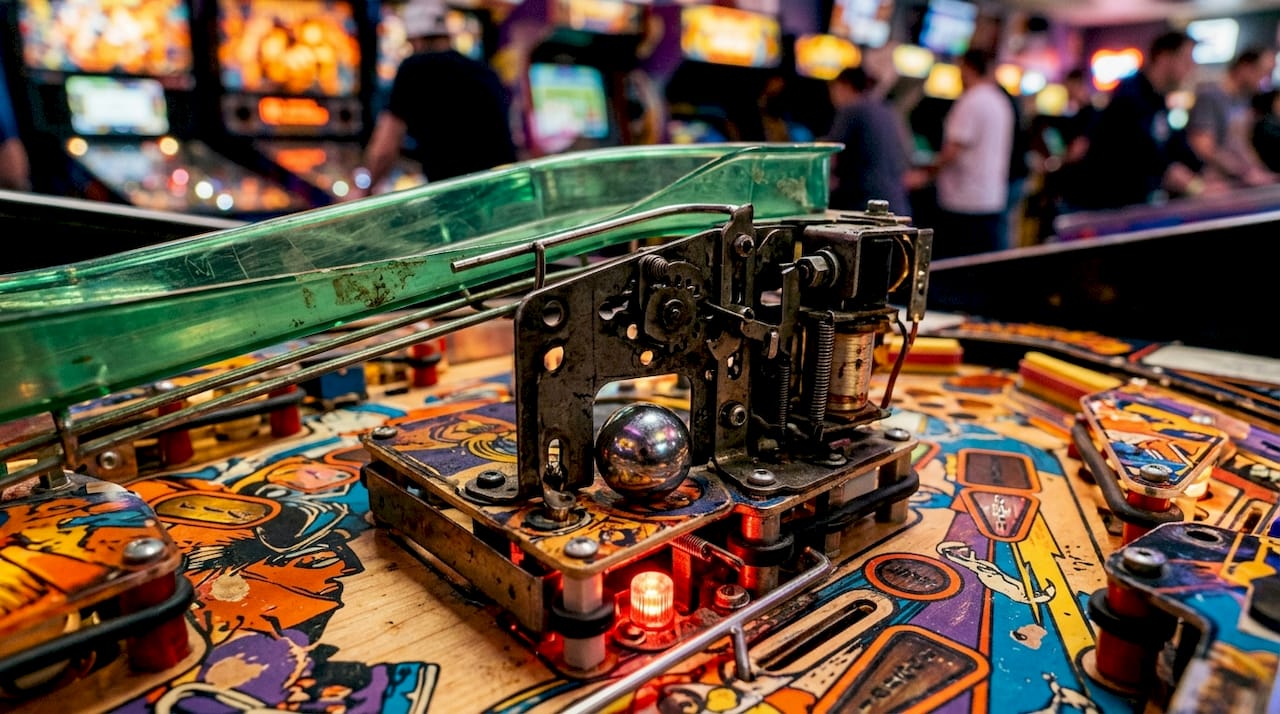
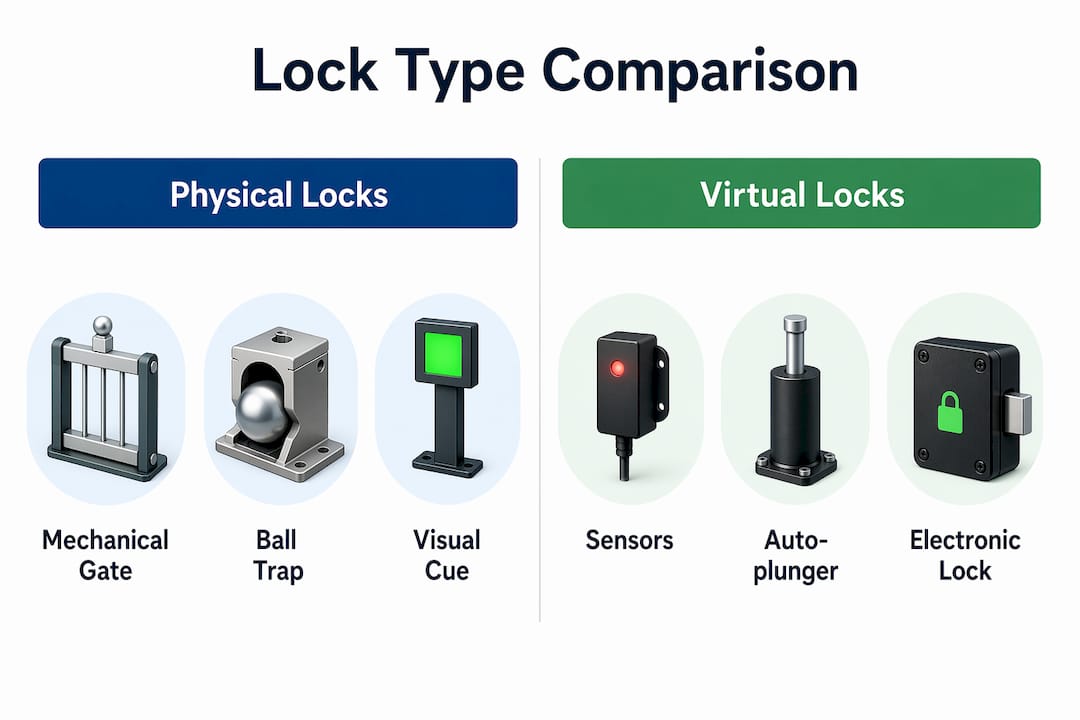
Multiball activates when a player completes a specific lock sequence, either by physically trapping balls in dedicated lock mechanisms or by triggering virtual locks through sensor-based systems. The distinction matters because it shapes both the feel of the game and the machine’s long-term reliability. Physical and virtual locks each impact gameplay experience differently, and knowing which system your machine uses helps you anticipate what happens next.
Physical lock sequences
Physical locks trap one or more balls inside the machine’s playfield using a mechanical catch. You shoot the ball into a designated lock lane, the machine holds it there, and the display counts down your progress toward multiball. Once all required balls are locked, the machine releases them simultaneously, and the chaos begins.
Virtual lock sequences
Virtual locks use sensors and auto-plungers rather than mechanical traps. The machine registers a “lock” electronically, returns the ball to the shooter lane, and auto-launches it when multiball starts. Virtual locks prevent mechanical wear compared to physical systems, though they can reduce the tactile anticipation players feel when watching balls stack up behind a physical gate.
Most modern machines include a ball save period lasting 5–15 seconds at the start of multiball. This window automatically returns any ball that drains immediately, giving you a brief grace period to get your bearings. Smart players treat this window as prime scoring time, not just a safety net.
Pro Tip: Read the playfield art and display prompts carefully before your first lock attempt. Most machines signal which targets advance the lock sequence, and recognizing those early saves you from wasted shots.
What strategies do expert players use during multiball?
The single biggest mistake beginners make during multiball is chasing every ball with equal urgency. Experienced players practice chaos management, which means prioritizing controlled, safe shots over frantic attempts to hit jackpots immediately. The goal in the first few seconds is survival, not glory.
Here is how expert players approach multiball from the first flip:
- Stabilize before you score. Keep at least one ball in the upper playfield or on a flipper while the others are in motion. This reduces the chance of a simultaneous drain on both sides.
- Use the ball save window deliberately. The ball save period exists to let you score without pressure. Hit accessible targets during this window rather than attempting risky jackpot shots.
- Identify your jackpot shot early. Most machines light a specific shot as the jackpot. Know where it is before multiball starts so you are not reading the playfield under pressure.
- Prioritize safety shots. Shots that return the ball to the upper playfield or feed a flipper cleanly are safer than center ramp attempts. Keeping balls in play longer always outscores a brief jackpot attempt followed by a drain.
- Consult the rule sheet. Rule sheet logic encodes jackpot triggers, mode activations, and scoring sequences. Knowing this logic before you play separates casual players from advanced scorers.
Well-executed multiball sessions can reach scores in the hundreds of millions of points. That kind of output requires patience, not speed.
Pro Tip: Download the rule sheet for your specific machine before your next session. Most manufacturers publish these documents publicly. Fifteen minutes of reading can add millions of points to your game.
How does multiball fit into the design and evolution of pinball?
Multiball is not just a scoring feature. It is a design philosophy that reshaped what pinball machines could be. Multiball was a mid-20th century innovation that introduced complexity through multi-ball play and drop targets, pioneering advanced mechanical designs that pushed the entire industry forward. That legacy shows up in every modern machine with a lock lane or a jackpot shot.
“Multiball functions as a psychological and narrative reward that transforms pinball play into dynamic, interactive experiences demanding speed and tactical adaptability. By breaking play into high-stakes segments, multiball heightens player immersion and decision-making intensity.”
Pinball Multiball Modes
The table below shows how multiball compares to traditional single-ball gameplay across key design dimensions.
| Design dimension | Single-ball play | Multiball play |
|---|---|---|
| Scoring pace | Steady, incremental | Rapid, high-variance |
| Player decision load | Moderate | High |
| Mechanical complexity | Lower | Higher |
| Player immersion | Consistent | Peaks sharply |
| Skill expression | Shot accuracy | Chaos management plus accuracy |
Mechanical and electronic innovations driven by multiball’s popularity significantly shaped the survival and evolution of modern pinball as an industry. Machines that offered compelling multiball sequences sold better, lasted longer in arcades, and attracted repeat players. That commercial reality pushed designers to make multiball sequences more theatrical, more layered, and more rewarding with each generation of machine.
The must-have pinball features that define a great machine today almost always include at least one well-designed multiball mode. It is the feature that keeps players coming back.
What are the differences between physical and virtual ball locks?
Physical and virtual ball locks represent two distinct engineering approaches to the same gameplay goal. Understanding the difference helps you adapt your strategy and anticipate how your machine will behave under pressure.
| Feature | Physical ball lock | Virtual ball lock |
|---|---|---|
| How it works | Mechanical gate traps ball on playfield | Sensor registers lock; ball returns to shooter |
| Player experience | Visible ball accumulation builds anticipation | Less visual buildup; relies on display feedback |
| Mechanical wear | Higher over time | Lower; fewer moving parts involved |
| Gameplay flow | Brief pause as balls are held | Continuous flow; auto-plunger launches at start |
| Strategy adjustment | Watch lock lane for ball position | Trust the display count; prepare at shooter lane |
Knowing whether your machine uses physical or virtual locks helps predict mechanical reliability issues and adjust shot strategies accordingly. Physical locks add drama and visual payoff, but they require more maintenance attention over years of play. Virtual locks keep the game moving and reduce wear on internal mechanisms, though some players find them less satisfying to complete.
From a player’s perspective, the most important adjustment is timing. Physical lock machines give you a visual cue when all balls are loaded. Virtual lock machines require you to trust the display and be ready at the plunger the moment the sequence completes. Practicing your plunge timing on virtual lock machines pays off in cleaner multiball starts and better early positioning.
The pinball machine parts involved in each lock system also affect how a machine ages. Physical lock mechanisms include solenoids, gates, and guides that can wear or misalign. Virtual systems rely more on optical sensors and software, which tend to be more consistent over time but require firmware awareness when troubleshooting.
Key Takeaways
Multiball mode is the single most skill-rewarding feature in pinball, requiring players to master lock sequences, ball save timing, and chaos management to reach peak scores.
| Point | Details |
|---|---|
| Multiball definition | Two or more balls in simultaneous play, triggered by completing lock sequences. |
| Ball save window | Most machines offer a 5–15 second grace period at multiball start to return drained balls. |
| Expert strategy | Prioritize safe shots and stabilize ball count before chasing jackpots. |
| Lock type matters | Physical locks build anticipation; virtual locks reduce wear and keep gameplay flowing. |
| Rule sheets are essential | Consulting your machine’s rule sheet reveals jackpot logic and scoring opportunities. |
Why multiball is the moment every serious player lives for
I have played hundreds of machines across dozens of titles, and the one thing that consistently separates a forgettable session from a memorable one is how well a player handles multiball. Most beginners I watch make the same error: they panic. The moment two or three balls hit the playfield at once, they start flipping wildly and drain everything within ten seconds.
The players who score big do the opposite. They slow down mentally even as the game speeds up physically. They pick one ball to track, keep it alive, and let the others create opportunities rather than threats. That mental shift takes practice, but it is the real skill multiball teaches.
Reading a machine’s rule sheet before you play feels like homework, but it is the single highest-return investment you can make as a player. Rule sheet logic tells you exactly which shots light jackpots, which modes stack with multiball, and where the super jackpot lives. Walking in blind means leaving points on the table every single time.
My honest advice: treat your first multiball of any session as a practice run. Use it to locate the jackpot shot, feel the ball save timing, and identify which flipper angle feeds the safest return. Your second multiball will be dramatically better for it. The machines worth owning are the ones that reward that kind of deliberate, thoughtful play.
— Jim
Premium machines that make multiball shine
Multiball is only as good as the machine it lives in, and the best machines treat it as a centerpiece of the entire play experience rather than a bonus feature.
Premiumpinballs carries an extensive selection of machines built around exceptional multiball design, from iconic refurbished classics to the best pinball machines for arcades available today. Titles like Ghostbusters and Attack From Mars deliver multiball sequences that are theatrical, layered, and genuinely thrilling to execute well. If you are looking for a machine that rewards skill and keeps players engaged for years, the best pinball machines of 2025 on the Premiumpinballs site are an excellent place to start. Every listing includes full specs so you know exactly what multiball experience you are buying.
FAQ
What is multiball mode in pinball?
Multiball mode is a gameplay state where two or more balls are in play simultaneously, activated by completing lock sequences on the playfield. It dramatically increases scoring potential and demands faster, more strategic decision-making from the player.
How does the ball save feature work during multiball?
Most modern machines include a ball save period of 5–15 seconds at the start of multiball that automatically returns any ball that drains. This window gives players time to stabilize before committing to jackpot attempts.
What is the difference between multiball and add-a-ball?
Add-a-ball adds an extra ball to extend play without activating a full multiball mode, while multiball launches multiple balls simultaneously as a distinct, rule-driven game state with its own jackpot logic.
How do rule sheets help during multiball?
Rule sheets encode the jackpot triggers, mode activations, and scoring sequences for each machine. Knowing this logic before you play lets you identify the highest-value shots the moment multiball starts.
Do all pinball machines use the same multiball rules?
No. Rule sheet differences across machines mean multiball modes, jackpot structures, and scoring sequences vary widely. Some machines allow stacking jackpots or combining modes with multiball for multiplicative scoring, making each title a unique strategic challenge.